















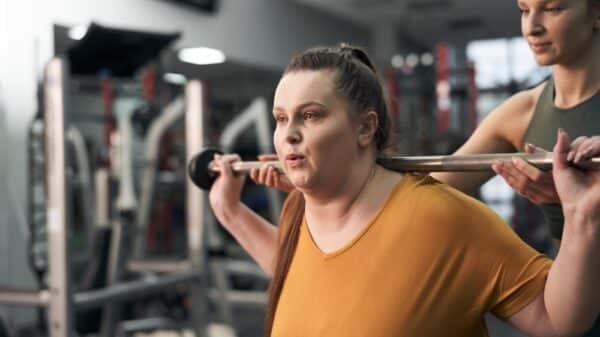




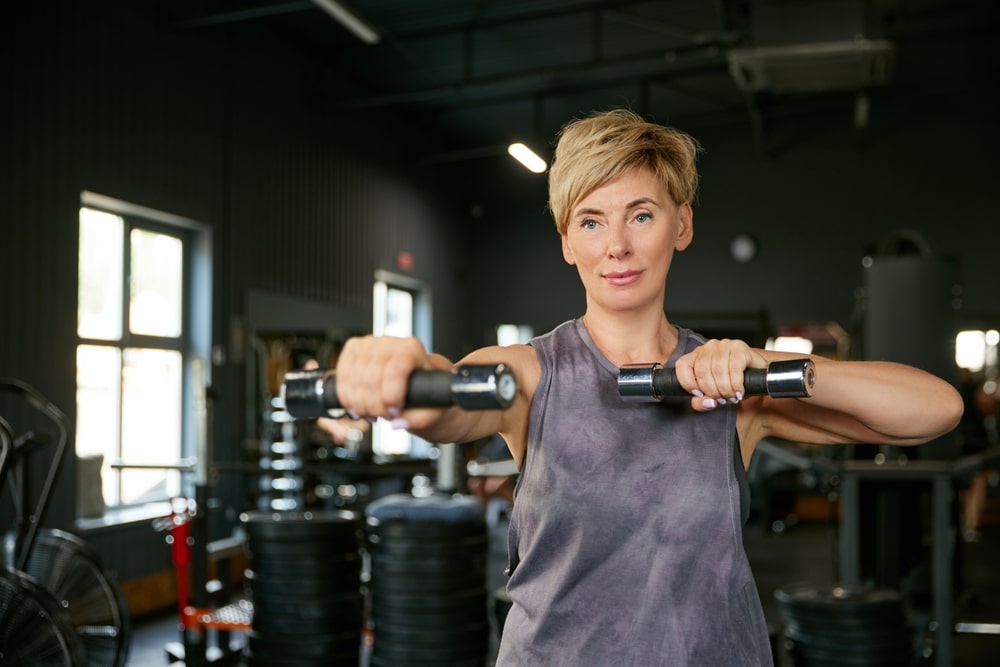
It is time to challenge the conventional wisdom regarding women’s fitness. For decades, many women have been led to believe that the path to health involves endless hours of high-intensity cardio, restrictive dieting, and a constant cycle of overexertion followed by burnout. We have been conditioned to prioritize “shrinking” ourselves rather than building ourselves up.
While activities like running or spin classes certainly have their benefits, relying on them as a sole fitness strategy often fails to deliver the physiological changes most women are actually looking for. To achieve a lean, functional, and resilient physique—especially as we navigate our 40s and beyond—we must pivot our focus toward strength.
The Essential Fitness Framework for Long-Term Health
For women in their 40s, the formula for physical longevity and vitality is remarkably straightforward. It doesn’t require complex Biohacking or extreme deprivation. The most effective strategy consists of four pillars: consistent resistance training, high-quality nutrition, daily movement, and restorative sleep.
While the framework is simple, implementing it requires a shift in mindset. It means moving away from the “cardio-first” mentality and embracing a “strength-first” approach to wellness.
The Biological Importance of Resistance Training
Weightlifting is a non-negotiable component of healthy aging. Beyond simply aesthetic goals, resistance training serves as the foundation for metabolic and hormonal health. Here is why lifting weights is essential for women:
- Muscle Definition: The “toned” look many women desire is actually the result of muscle development. Strength training builds the lean mass that gives the body shape and firmness.
- Bone Density: As we age, especially during perimenopause and menopause, bone density naturally declines. Lifting heavy weights stimulates bone growth and helps prevent fractures.
- Metabolic Boost: Muscle is metabolically active tissue. By increasing your muscle mass, you elevate your resting metabolic rate, meaning your body burns more energy even when you are not exercising.
- Blood Sugar Regulation: Strength training improves insulin sensitivity, which is critical for stabilizing blood sugar and reducing the risk of metabolic disorders.
- Hormonal Support: Research indicates that consistent resistance training can mitigate menopausal symptoms, including a significant reduction in the frequency and severity of hot flashes.
- Functional Independence: Building strength improves balance and mobility, ensuring you remain capable and powerful in your daily life.
- Mental Resilience: There is a profound psychological shift that occurs when a woman realizes her physical capabilities. Lifting weights fosters confidence and mental clarity.
Starting in our 40s, sarcopenia—the age-related loss of muscle mass—accelerates. Without intervention, this leads to fatigue and physical fragility. Prioritizing strength is a protective measure that ensures you remain active and capable for decades to come.
Sustainable Nutrition for Muscle Support
Optimal nutrition is about fueling your body rather than depriving it. The primary goal should be consuming whole, unprocessed foods with a significant emphasis on protein. Protein provides the essential amino acids required to repair and build the muscle tissue you are working hard to develop.
If fat loss is a specific goal, a modest caloric deficit can be effective, but it should be viewed as a temporary phase rather than a permanent lifestyle. Many people find that tracking their intake for a few weeks provides valuable insight into their actual habits versus their perceived ones. However, the focus should always remain on quality: healthy fats, complex carbohydrates, and plenty of hydration.
The Benefits of Low-Intensity Movement
Walking is arguably the most underrated form of cardiovascular exercise. Unlike high-intensity interval training (HIIT), which can sometimes spike cortisol levels and increase hunger, walking provides a low-stress way to stay active. It keeps the body in a steady fat-burning state while promoting recovery. It is a simple, effective prescription for both physical health and mental well-being.
Recovery as a Performance Metric
Sleep is the period when your body actually does the work of repairing tissue and regulating hormones. You cannot out-train a lack of recovery. While perimenopause can disrupt sleep patterns, certain lifestyle adjustments can help. Consistent strength training often leads to deeper, more restorative sleep. Additionally, many women find that reducing alcohol intake and incorporating magnesium glycinate can significantly improve their sleep quality.
Why Strength Training Changes Everything
This approach was born out of a desire to stop the cycle of frustration many women face. It is heartbreaking to see women working incredibly hard only to feel like they are failing because they are following the wrong blueprint.
When women transition from focusing on the number on a scale to focusing on the weight on the bar, everything changes. The goal shifts from “how small can I be?” to “what can I do?” This shift in perspective is transformative. It leads to better posture, increased confidence, and a healthier relationship with one’s body.
A Practical 4-Week Strength Foundation
To help women make this transition, I have developed a beginner-friendly, four-week strength program. It is designed to be efficient and effective, requiring only three sessions per week, lasting approximately 30 to 40 minutes each. This program is built to fit into a busy life without requiring a gym membership.
Required Equipment
You do not need a room full of machines to build strength. For this program, the requirements are minimal:
- A set (or variety) of dumbbells.
- A sturdy chair, bench, or stool.
- A small area of floor space.
- A simple elevated surface (like a thick book or a step) for specific movements in the final week.
How the Training is Structured
Each week consists of three distinct workouts (A, B, and C). These sessions include a combination of full-length guided videos and shorter instructional clips that allow you to work at your own pace. The workouts are repeated each week, allowing you to master the movements while increasing the challenge.
The Science of Progress: Progressive Overload
The reason many “random” fitness classes fail to produce long-term results is that they lack progression. Real change occurs through the principle of progressive overload. By repeating the same movements over several weeks and gradually increasing the weight, reps, or improving your form, you force your muscles to adapt and grow. Consistency and repetition are the keys to building a stronger body.
Integrating Strength into Your Life
The program is flexible. You have seven days to complete three sessions. It is generally recommended to have at least one day of rest or low-impact movement (like walking) between strength sessions. If life gets in the way and you miss a week, simply pick up where you left off. The goal is long-term consistency, not temporary perfection.
The Value of Community and Accountability
Embarking on a new fitness journey is always more sustainable when you have support. Whether it is a friend, a family member, or a colleague, having someone to share your progress with can make a significant difference in your commitment levels. Accountability turns a solo effort into a shared mission.
Taking Action for Your Future Self
The most important step is the first one. You do not need to be an athlete or have prior experience to begin. All that is required is a willingness to show up and do the work. Over the course of four weeks, you will begin to feel a difference in how you move and how you view your own potential. This is about more than just fitness; it is about reclaiming your power and entering your next decade stronger than ever.
Final Thoughts: Building a Sustainable Future
True health for women over 40 isn’t found in a “quick fix” or a punishing cardio regimen. It is built through the steady accumulation of strength, proper nourishment, and adequate rest. By embracing the principles of resistance training and progressive overload, you are not just changing your appearance—you are investing in your long-term mobility, metabolic health, and overall quality of life. Start today, stay consistent, and trust the process of becoming your strongest self.