

















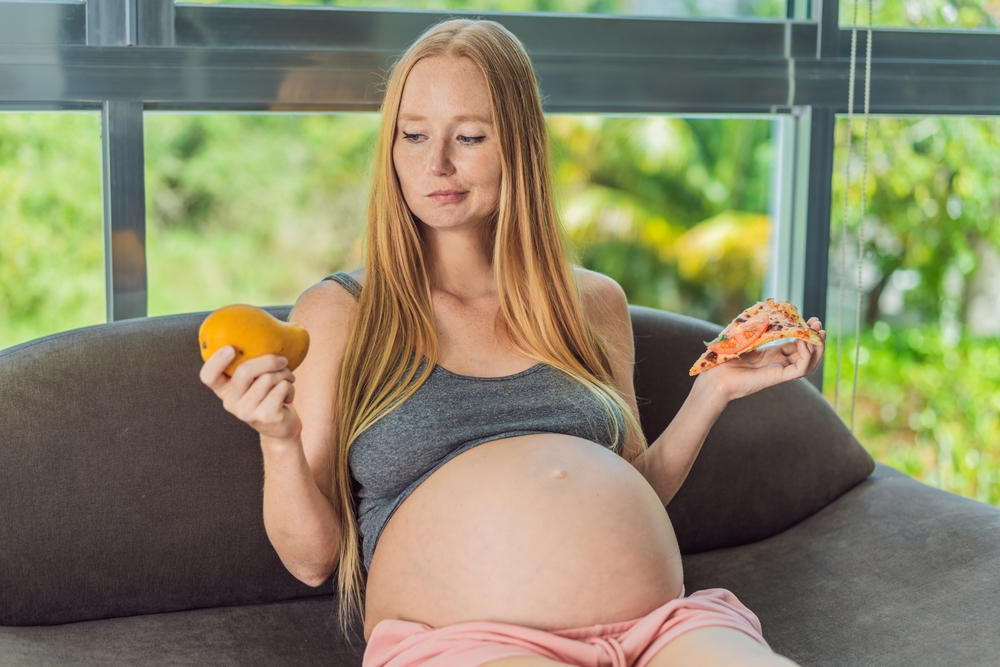
Pregnancy brings about a host of physiological changes, but few are as famously peculiar as the sudden, intense drive for specific foods—or sometimes, things that aren’t food at all. For many, these urges go far beyond a simple preference for pickles and ice cream. Some expectant parents find themselves fixated on the crunch of specific ice cubes, while others dream of eating salt straight from the ocean or even non-edible items like chalk. While these experiences can feel irrational, they are often the body’s way of communicating complex nutritional needs through the lens of shifting hormones.
The Biological Basis of Pregnancy Urges
The sudden shift in palate during the first trimester is rarely a coincidence. The rapid escalation of hormones like hCG and progesterone does more than just support the pregnancy; it actively recalibrates how the brain processes scent and flavor. This sensory heightened awareness often serves as a biological translator. When the brain demands salmon, it isn’t necessarily asking for the fish itself, but rather the essential components it provides, such as omega-3 fatty acids, high-quality protein, or iron.
Food aversions serve an equally important purpose. Many experts believe that the sudden “ick” factor associated with certain foods—particularly those with higher risks of spoilage or bacteria—is an evolutionary defense mechanism. Because the immune system is naturally suppressed during pregnancy, these aversions may help protect both the parent and the developing fetus from potential foodborne illnesses. This also explains why someone who previously followed a plant-based diet might suddenly find themselves needing red meat to meet the skyrocketing demands for iron and Vitamin B12.
Decoding the Body’s Nutritional Signals
When a craving feels particularly “unrealistic,” it is usually a sign of an underlying physiological shift. For example, some pregnant individuals experience an intense desire for salt or even the taste of seawater. This is frequently linked to the significant expansion of blood volume that occurs during pregnancy. As the kidneys work overtime to manage this increased fluid, sodium levels can fluctuate, triggering the brain to seek out salt to maintain a proper balance.
Perhaps the most common “non-food” fixation is pagophagia, or the compulsive desire to chew ice. While it might seem like a way to stay cool, it is a well-documented symptom of iron deficiency anemia. This falls under the broader category of pica—the craving for non-nutritive substances like ice, dirt, clay, or laundry starch. Research suggests that pica affects approximately 28% of pregnant people globally. These compulsions are typically the body’s way of signaling a lack of iron, calcium, or zinc, and they often disappear immediately after the deficiency is corrected or the baby is born.
When to Consult Your Healthcare Provider
In most cases, indulging in a craving is perfectly safe. If you find yourself reaching for an extra serving of french fries or vegetarian sushi, there is generally no cause for concern as long as your overall diet remains balanced and you are consistent with your prenatal vitamins. However, the line is drawn when cravings move into the territory of non-food items.
If you experience a persistent urge to consume things like chalk, cigarettes, or cleaning supplies, it is essential to contact your OB/GYN or midwife. These cravings are almost always a red flag for a nutritional deficiency that requires medical screening. Additionally, cravings that feel distressing, or sugar cravings accompanied by extreme thirst and frequent urination, should be discussed to rule out issues like gestational diabetes or perinatal mental health concerns.
Navigating Food Safety and Alternatives
While honoring your body’s signals is important, safety remains a priority. Certain high-risk foods should be substituted with safer alternatives to avoid complications like listeria or mercury exposure. If you are craving raw fish or deli meats, experts recommend opting for cooked versions or heating deli meats until they are steaming. Finding a high-quality prenatal vitamin with highly absorbable iron can also help mitigate the intensity of unusual cravings before they become overwhelming.
Final Thoughts on Pregnancy Cravings
The strange and often humorous world of pregnancy cravings is a testament to the incredible work the body does to sustain a new life. Whether it’s a sudden need for salt or a fixation on the perfect ice cube, these urges are rarely “just in your head.” They are meaningful biological signals. By listening to these cues and working closely with healthcare providers to address any underlying deficiencies, expectant parents can navigate these eccentricities safely while ensuring both they and their babies get the nutrients they need.