




















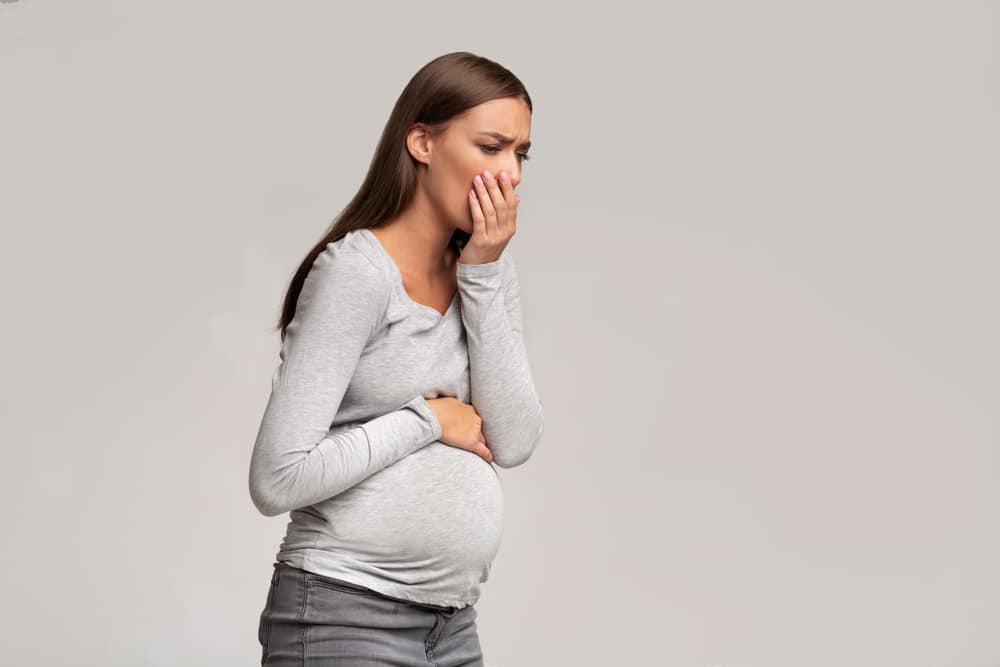
Around the sixth week of pregnancy, many expectant parents encounter their first significant bout of morning sickness. For generations, folklore has suggested that intense nausea is a telltale sign that you are carrying a girl. While these claims were once dismissed as mere old wives’ tales, recent data suggests there is a legitimate scientific basis for this belief.
The Correlation Between Nausea and Baby Gender
A comprehensive analysis involving more than 1.8 million symptom entries from a major pregnancy tracking platform has revealed a statistically significant connection. The data indicates that individuals carrying female fetuses are more likely to report nausea and vomiting compared to those carrying males. Among 67 different symptoms tracked during pregnancy, morning sickness showed the most prominent difference between the two sexes.
The biological driver behind this trend is likely human chorionic gonadotropin (hCG), the specific hormone that pregnancy tests detect. Generally, hCG levels tend to be higher in pregnancies involving a female fetus. Because higher concentrations of this hormone are frequently linked to increased queasiness, the biological framework supports the idea that girl-carrying pregnancies might be more physically taxing in the first trimester.
Why Modern Data Sources Provide Better Accuracy
In the past, studies on this topic often struggled with retrospective bias, where researchers or participants already knew the baby’s sex before reporting symptoms. This new analysis avoids that pitfall by using real-time logs. Expectant mothers recorded their symptoms early in their first trimesters, well before the baby’s sex could be determined via ultrasound or blood tests. While the 3.2 percentage point difference found in the study is statistically relevant, it is important to note that it is not a definitive diagnostic tool for predicting a baby’s sex in a specific individual.
Historical Perspectives and the Spectrum of Symptoms
The observation that maternal health might vary based on the child’s sex is far from a modern invention. Even Hippocrates, the ancient Greek physician, documented similar patterns in his medical writings. It is fascinating to see ancient observations align with modern large-scale data, even if the correlation is subtle rather than absolute.
However, pregnancy experiences remain deeply individual. Many mothers report identical symptoms across multiple pregnancies regardless of the baby’s sex, while others experience vastly different trimesters for children of the same gender. Morning sickness exists on a wide spectrum, ranging from mild, manageable queasiness to Hyperemesis Gravidarum, a severe condition requiring clinical intervention. Because of this extreme variability, your specific level of nausea should not be viewed as a reliable indicator of whether you’ll be buying pink or blue.
Summary of Findings on Pregnancy Nausea
While it is satisfying to see historical intuition backed by modern data, the 3.2% increase in nausea for those carrying girls is a population-level trend rather than a personal guarantee. Pregnancy symptoms are influenced by a complex interplay of hormones, genetics, and environment. While higher hCG levels in female pregnancies may tip the scales toward more morning sickness, every body reacts differently to the transition of the first trimester. Ultimately, while the data confirms a slight lean toward the old wives’ tale, the only certain way to determine your baby’s sex remains medical screening or the delivery room.