

















Shortly after the birth of my second child, I experienced a moment of total vulnerability: while walking across my living room, my bladder simply gave out. There was no warning, no sneeze, and absolutely no way to stop it. While I expected some physical changes after childbirth, this level of pelvic floor dysfunction was a new and jarring reality. Even years later, like so many mothers, I found myself navigating life with a “new normal” that involved crossing my legs before every cough and carefully timing bathroom breaks before any physical activity.
This experience isn’t rare. In fitness settings, particularly high-impact environments like trampoline classes, bladder leaks are so common they’ve become a shared joke among women. We wear dark leggings, use period products as backup, and laugh off the discomfort. However, experts suggest that while we have normalized these incidents, we shouldn’t have to simply “suck it up.” Bladder leakage is a significant quality-of-life issue that often goes unaddressed by medical professionals.
Statistics reveal that one in three women deal with urinary incontinence during their first year postpartum, a figure that can rise to 50% as women approach menopause. Despite these high numbers, many physicians fail to screen for it during routine checkups. While pelvic floor physical therapy is a highly effective treatment, it remains under-utilized in North America compared to countries like France or the UK, where postpartum physio is a standard part of recovery. Until recently, the alternatives were often limited to invasive prescription pessaries that many women find difficult to manage.
Understanding How Uresta Works for Bladder Support
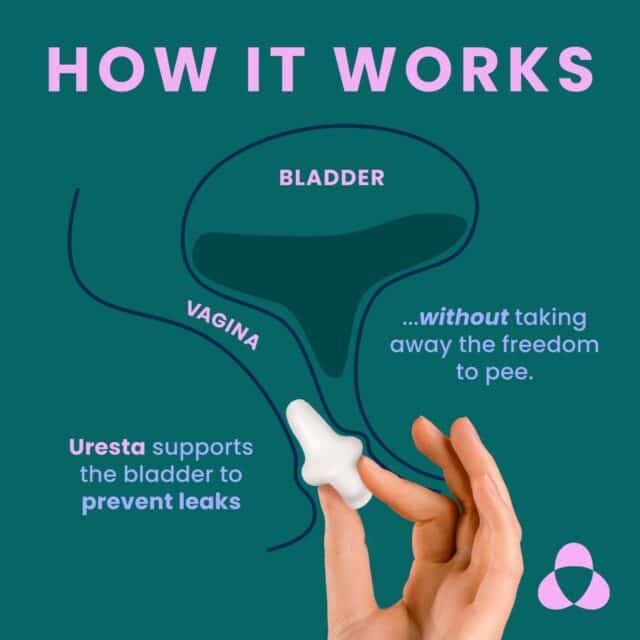
Uresta offers a different approach as the first FDA-cleared, over-the-counter solution for bladder leaks that women can fit themselves at home. It is often described as a “bra for the bladder.” Unlike a plug or a block, this bell-shaped device is inserted vaginally to sit just beneath the urethra. It provides necessary counter-pressure to support the bladder during sudden physical spikes—like a jump, laugh, or sneeze—while still allowing the user to urinate normally without removing it.
The device is crafted from a firm, medical-grade resin and comes in five distinct sizes. Most women find their fit within a starter kit that includes the three most common sizes. Achieving the right fit is key: when positioned correctly past the pubic bone, the device should be internal and imperceptible. For those used to menstrual cups, the insertion process is similar, though the resin is non-collapsible, making a small amount of lubricant helpful for placement.
Testing the device in a high-intensity environment, such as a trampoline workout, demonstrates its effectiveness. Once in place, it provides the security needed to jump and move without the constant fear of an accident. It offers a sense of freedom that many women have forgotten was possible, allowing them to stop mentally mapping out every restroom in a building or avoiding certain exercises altogether.
For those in the early stages of motherhood, it is important to note that sizing needs may shift. As the body heals and hormonal levels change—particularly during breastfeeding when lower estrogen can impact tissue elasticity—a woman might find she needs to transition to a smaller size. While it doesn’t replace the need for strengthening exercises, it provides immediate relief and prevents leaks from dictating a woman’s daily routine.
Ultimately, the goal is to move past the idea that leaking is just an inevitable “cost” of aging or motherhood. With accessible support systems, women can reclaim their active lifestyles without compromise.
Common Questions Regarding Uresta Usage
Is this device FDA cleared?
Yes, it is currently the only reusable, over-the-counter bladder support device with FDA clearance in the United States. It offers a non-prescription alternative to traditional medical pessaries, meaning women can manage their symptoms privately and immediately.
What is the typical cost and lifespan?
A starter kit typically costs around $65 and includes three sizes to ensure a proper fit. While the device is reusable, it is generally recommended to replace it annually. Additionally, the product is eligible for reimbursement through HSA and FSA accounts.
Is it safe for postpartum use?
It is frequently used by women in the postpartum phase. Because the body continues to change in the months following birth, the company offers a flexible sizing exchange policy. This is particularly helpful as your body recovers or as hormonal shifts occur following the conclusion of breastfeeding.
Final Thoughts on Managing Incontinence
Living with bladder leaks often causes women to subconsciously shrink their worlds, avoiding activities and social situations they once enjoyed. By moving away from the “normalization” of incontinence and utilizing modern support tools like Uresta, mothers can regain their confidence and physical freedom. Whether you are returning to high-impact exercise or simply want to sneeze without worry, there are effective, non-invasive ways to manage your pelvic health at any stage of life.