




















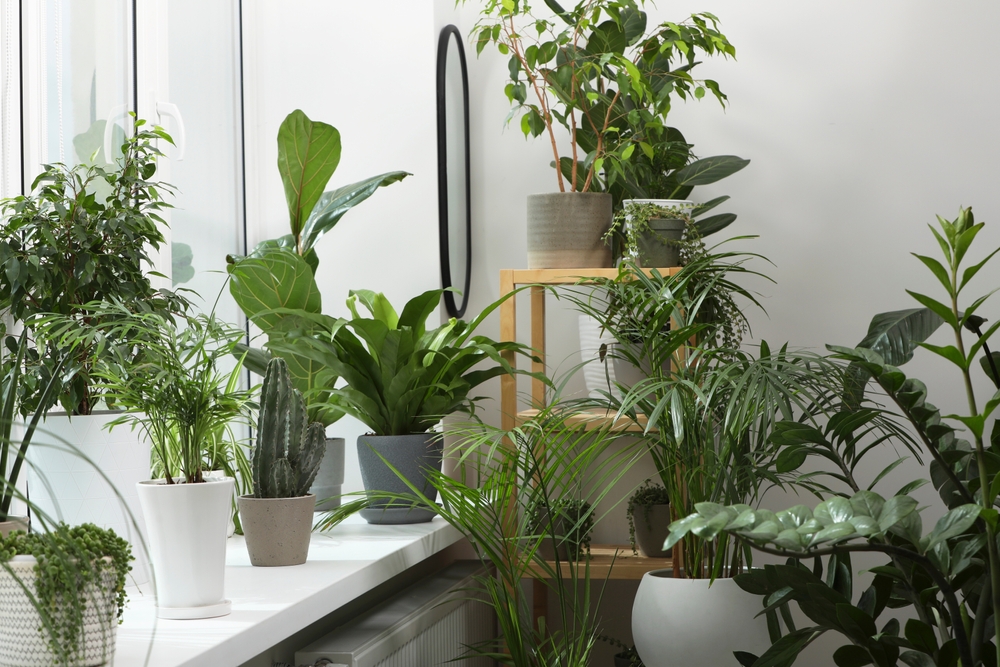
Integrating plants into your home life offers a wealth of advantages, from sharpening a child’s concentration to providing a sustainable source of nutrition for your dinner table. Whether you are interested in a small windowsill arrangement or a sprawling backyard plot, gardening is a rewarding journey for any family.
This guide serves as a comprehensive resource for those beginning their journey with indoor greenery or planning their very first outdoor vegetable patch. While my husband is the one with the natural “green thumb” in our family, I have gathered extensive knowledge through our shared experience in cultivating a natural, calming environment at home.
By following these strategies, you can transform your living space into a tranquil sanctuary. From aromatic herb gardens to bountiful fruit and vegetable beds, growing your own produce ensures your family has access to the freshest ingredients possible. Below, you will find practical advice and a curated list of the most resilient plants to help you get started today.
The Mental and Physical Advantages of Indoor Greenery
Bringing nature indoors does more than just decorate a room; it significantly impacts your family’s well-being. Research, including a study featured in the Journal of Physiological Anthropology, suggests that indoor plants can lower stress levels by fostering a sense of comfort and natural connection. Furthermore, the act of nurturing a living thing has been linked to reduced feelings of anxiety and depression, providing a therapeutic outlet for busy parents and children alike.
Enhancing Cognitive Function and Focus in Children
For families with students, an indoor garden can be a powerful tool for academic success. Research highlighted by the Department of Environmental Health Science indicates that students working in environments with live plants demonstrate higher levels of attentiveness and concentration compared to those in rooms with artificial plants or no greenery at all.
A primary reason for this boost in focus is air quality. According to findings in Environmental Health Perspectives, plants naturally increase oxygen levels while reducing carbon dioxide. In environments with optimized oxygen, cognitive scores have been shown to be up to 61% higher. This leads to improved decision-making and clearer thinking, making a plant-filled study space an ideal setting for homework and learning.
Best Plant Varieties for Improving Indoor Air Quality
If your goal is to purify the air and boost oxygen levels within your home, consider incorporating these specific varieties:
- Areca Palm
- Lady Palm
- Dwarf Date Palm
- Bamboo Palm
- Boston Fern
- Rubber Tree
- Spider Plant
- Ficus Tree
Key Steps for Establishing a Successful Indoor Garden
The secret to indoor gardening is to replicate the conditions found in nature as closely as possible. With a bit of planning, you can maintain a lush garden with minimal stress.
Evaluate Your Available Space: Assess the square footage you can dedicate to plants. If space is limited, vertical gardening systems are an excellent solution, allowing you to grow dozens of plants in a very compact footprint.
Assess Light Exposure: Understanding your home’s natural light is crucial. Determine if your plants will live in a bright sunroom, on a windowsill, or in a dimmer corner. Proper placement ensures that each variety receives the specific amount of sunlight it needs to thrive.
Low-Maintenance Varieties for New Indoor Gardeners
- Zamioculcas Zamiifolia (ZZ Plant)
- Golden Pothos
- Snake Plant
- Spider Plant
- Cacti
- Dracaena
- Bamboo
Simple Strategies for a Thriving Kitchen Herb Garden
Cultivating herbs indoors is a straightforward way to elevate your cooking. Beginner-friendly kits are a great starting point, often providing everything needed to grow multiple varieties without the complexity of high-tech lighting or wiring. For those looking to expand, hydroponic systems allow you to grow a large volume of produce—sometimes up to 36 plants—using a water-based system instead of traditional soil. This “smart garden” approach simplifies maintenance by delivering nutrients directly to the roots.
Fundamental Tips for Starting an Outdoor Garden
- Utilize Raised Beds: Start with a raised garden bed filled with high-quality, organic soil. A modest setup, such as two 3×8 beds with a trellis, can provide a surprising amount of food for a family of four.
- Prioritize Proper Spacing: Arrange your beds so they don’t shade one another, ensuring every plant gets its fair share of light.
- Incorporate a Trellis: Vertical growth is efficient and keeps produce off the ground. Use trellises for climbing plants like beans, snap peas, and cucumbers.
- Ensure Adequate Sunlight: Most outdoor vegetable gardens require at least six hours of direct sun daily.
- Water the Roots: Avoid overhead watering. Instead, direct water to the base of the plants for about 5 to 7 minutes, several times a week.
Common Pitfalls That Can Damage Your Plants
- Avoid Wet Foliage: Keeping leaves dry is essential for plant health. This is why traditional tomato cages can sometimes be counterproductive; they can trap moisture and limit airflow, leading to disease.
- Minimize Transplanting: Most plants are sturdier when grown directly from seed in their permanent home. While tomatoes and cucumbers handle transplanting well, most other vegetables prefer to stay put.
- Stick to Organic Seeds: For the healthiest produce, start with high-quality organic seeds.
- Skip the Tilling: Tilling the soil can actually encourage weed growth by bringing buried seeds to the surface. It is often better to leave the soil undisturbed.
- Manage Pests Naturally: If ants become a problem in your garden, an organic solution like Spinosad can safely manage them.
Crops That May Not Be Practical for Small Home Gardens
While it is tempting to grow everything, some crops take up significant space and may be more practical to purchase from a local farmer:
- Corn
- Pumpkins
- Watermelons
- Cantaloupe
- Okra
Strategic Planning for Your Garden Harvest
When deciding what to plant, prioritize varieties that offer the most value to your household. Focus on items that are:
- Hard to find at local markets.
- Costly to buy at the grocery store.
- Efficient in terms of space.
- Highly nutritious.
- Capable of providing an ongoing harvest throughout the season.
Closing Thoughts on Home Gardening
Embarking on a gardening project is a wonderful way to foster health, focus, and sustainability within your family. Whether you start with a single spider plant to clean the air or a full-scale raised bed to supplement your meals, the benefits of connecting with nature are immediate and long-lasting. By choosing the right plants for your space and following basic care principles, you can enjoy the satisfaction of watching your garden—and your family—thrive.