




















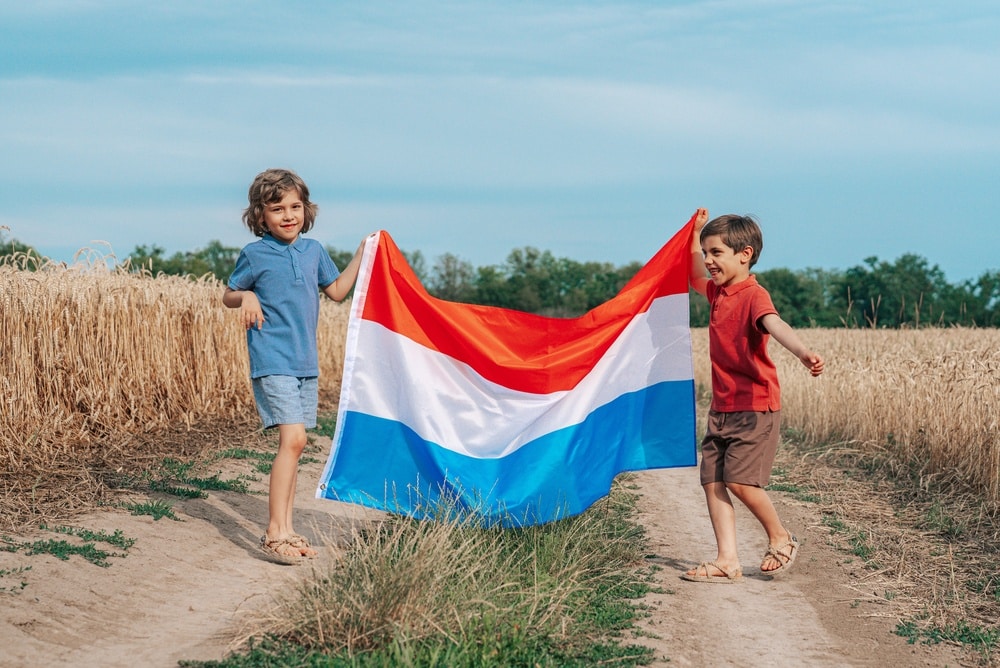
In the quiet, suburban landscapes of the Netherlands, a unique approach to upbringing is visible every afternoon. Observe a typical Dutch neighborhood, and you might see a preschooler playing solo in a garden or a group of young students cycling home without a chaperone. To an outsider, this might appear to be a lack of supervision, but it is actually a deeply ingrained cultural commitment to building self-reliance. This philosophy is a primary reason why Dutch children are frequently ranked among the happiest and most resilient in the world.
The foundation of this independence is often rooted in the simple concept of rest. Dutch parents prioritize the “three Rs”: rust, regelmaat, en reinheid (rest, regularity, and cleanliness). Research indicates that children in the Netherlands typically sleep about two hours more per night than their peers in other countries. This emphasis on restorative sleep ensures that children are emotionally stable and physically capable of handling a day filled with independent choices. When a child is well-rested, they possess the cognitive resources to solve problems on their own, reducing the need for parental intervention during minor frustrations.
Core Strategies for Cultivating Autonomy in Children
The journey from a dependent toddler to a self-sufficient teenager in the Netherlands is a deliberate, step-by-step process. It is grounded in the conviction that children who are trusted to navigate their own lives will develop into confident, decisive adults. This path toward independence is generally supported by four essential pillars.
Balancing Flexible Guidelines with Strict Consistency
Dutch households often appear remarkably laid-back. There are fewer rigid rules compared to other cultures, and children are often encouraged to negotiate or debate their points of view. This promotes critical thinking and logical reasoning. However, the few rules that do exist—specifically those concerning sleep schedules and family dining—are non-negotiable. This combination provides a “secure base.” By maintaining absolute consistency regarding health and routine, parents create a safe environment where children feel empowered to experiment with their own choices in other areas of life.
Incorporating Children into the Decision-Making Process
The “Polder Model”—a Dutch tradition of reaching consensus through cooperation—is a standard practice within the family unit. Even at a young age, children are given a voice. Whether it is selecting between two nutritious meal options or deciding which extracurricular activity to join, children are taught that their opinions hold weight. This early involvement helps them understand the relationship between choice and consequence. If a child decides to stop a specific hobby, the parent typically allows them to experience that transition rather than forcing them to adhere to a path they no longer value.
Removing the Stigma of High-Stakes Performance
In many societies, a child’s accomplishments are viewed as a reflection of the parent’s status. In contrast, Dutch culture emphasizes contentment over competition. There is little social pressure to be the “best” or to pursue high-prestige academic degrees if they do not align with the child’s interests. Vocational training is viewed with the same respect as university education. By lowering external pressure, parents allow children to develop internal motivation, helping them pursue paths that lead to genuine personal satisfaction rather than external validation.
Dedication of Time to Foster Practical Skills
Fostering independence requires a significant investment of time. The Dutch are known for their healthy work-life balance, with many parents working reduced hours to be present for their children. This time is not just for leisure; it is used for teaching. While it is always faster for an adult to tie a shoe or zip a coat, Dutch parents intentionally step back. They allow the toddler to struggle through the process, understanding that the time spent watching them learn today creates a child who can navigate the world without assistance tomorrow.
The Long-Term Impact of Prioritizing Early Independence
Emphasizing autonomy provides significant psychological benefits. Children raised with this level of trust typically display high levels of self-assurance and resilience. Because they have been permitted to fail in low-stakes environments, they are less likely to be intimidated by challenges or mistakes as they grow older. This sense of self-governance is a major factor in why the Netherlands consistently tops UNICEF’s reports on global child well-being.
Navigating the Potential Challenges of a Self-Reliant Culture
Every parenting philosophy has its unique set of trade-offs. The high value placed on honesty and individual expression can sometimes be perceived as a lack of traditional politeness or a disregard for authority. To those from more formal cultures, a Dutch child might seem overly blunt. Because they are taught that their opinion is as valid as an adult’s, they may openly disagree with teachers or family members. Additionally, this focus on personal autonomy can sometimes lead to a more individualistic societal structure, where communal or extended family ties are not as central as they are in more collectivist environments.
The Emotional Discipline Required to Step Back
One of the most difficult parts of parenting is watching a child struggle with a task. It takes a certain level of parental bravery to let a child go to school in mismatched clothes or a backward shirt because they insisted on dressing themselves. It requires the parent to suppress the instinct to “fix” everything and instead offer the gift of trust. By allowing children to own their successes and their minor setbacks, parents prepare them for the eventual goal: becoming an adult who no longer needs a guide.
Ultimately, the Dutch approach to self-reliance is centered on empowerment rather than detachment. It is a philosophy that chooses long-term competence over immediate convenience. By establishing firm boundaries regarding health and structure while offering radical freedom in personal choice, parents create a space where children can truly flourish. The objective is not to raise a “perfect” child, but to nurture a capable, happy individual who is ready to ride their own bike into a successful future.