



















I spent the better part of two decades treating my skin like an afterthought. In my 20s and early 30s, my “routine” was nonexistent—no moisturizer, no serum, and certainly no daily SPF. I assumed my skin would just stay the way it was forever.
That illusion shattered in a brewery bathroom on a bright summer afternoon. I looked in the mirror and saw what I thought was a smudge of grease or dirt above my upper lip. I scrubbed at it with a wet paper towel, but it wouldn’t budge. It wasn’t dirt. It was melasma—the “sun mustache” that serves as a permanent receipt for years of unprotected sun exposure.
Now, at 44, my bathroom counter looks very different. I’ve traded neglect for a curated arsenal of products and a religious commitment to quarterly facials. But as a mother navigating a digital world, I also know how overwhelming it is to be targeted by a never-ending cycle of “must-have” trends: slugging, tallow balms, 12-step routines, and high-tech LED masks.
To cut through the noise, I sat down with Kristyn Smith, an expert esthetician and founder of Practise NYC. With over 20 years of experience in clinical and holistic skin health, she offers a grounding perspective for parents who are tired of wasting money on products that don’t work.
What should your skincare routine in your 30s actually include?
If you’re currently following a viral 10-step “skin cycling” schedule, Smith has a reality check for you: “Your skin is an organ, not a project.” She argues that most of the products filling our cabinets are just noise. If a product isn’t serving your skin’s natural barrier, it probably doesn’t need to be there.
For most people in their 30s, the foundation is refreshingly simple:
1. A gentle cleanser that preserves your natural lipids.
2. A high-quality moisturizer to prevent trans-epidermal water loss.
3. Daily SPF.
Everything else is an “extra.” Smith warns that the biggest mistake she sees in 30-somethings is “aggressive correction.” We get panicked by a few fine lines and start throwing harsh retinols and acids at our faces. While your skin might look okay in the short term, you are essentially “borrowing from your skin’s future health” by compromising the barrier.
What actually ages your skin
This is the hard truth that skincare marketing departments try to hide: Topical products only account for about 20% of how your skin ages. The remaining 80% is driven by internal factors: sleep, stress, nutrition, and hormones.
“You cannot ‘product’ your way out of a high-stress lifestyle,” Smith explains. For parents, this is a tall order. When you are postpartum, sleep-deprived, or entering the early stages of perimenopause, your skin acts as a mirror for that internal depletion.
During these high-stress chapters, Smith recommends moving away from “corrective” skincare and toward “supportive” skincare. Instead of an aggressive chemical peel, reach for hydration, Vitamin C, and soothing botanicals. For the busy mom, she suggests “habit stacking”—wear your LED mask while the kids are in the bath, or apply your serum as part of a five-minute morning reset. It turns a chore into a necessary moment of self-care.
The SPF conversation is simpler than the internet makes it
Sunscreen has become a polarizing topic online, with debates ranging from mineral vs. chemical filters to the “wellness” influencers suggesting we should skip it altogether for Vitamin D. Smith’s advice is straightforward: “The best sunscreen is the one you will actually wear every single day.”
If you are pregnant or have highly reactive skin, mineral sunscreens (zinc or titanium dioxide) are often the safest bet. But the priority is simply protection. UV damage isn’t just about burns; it’s about the cumulative degradation of DNA and collagen. Once collagen is lost, it is incredibly difficult to rebuild. Protecting it now is the best gift you can give your future self.
On retinol, tallow, and everything your algorithm is pushing
While retinoids are often touted as the “holy grail” of anti-aging, Smith urges caution. Not everyone can handle Vitamin A, especially those with rosacea or sensitive barriers. For these individuals, she points toward gentler alternatives like bakuchiol or low-dose retinaldehydes which provide the benefits of cell turnover without the chronic inflammation.
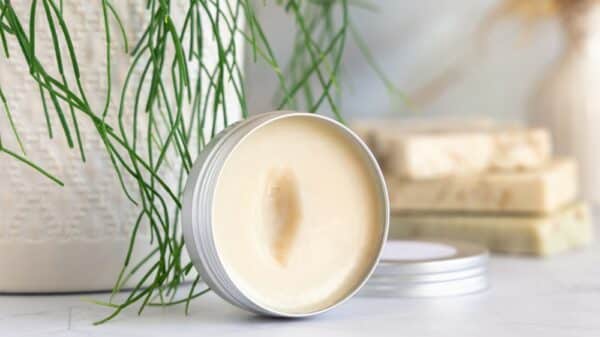
She also addresses the “ancestral” skincare trend of using beef tallow. While it sounds natural, Smith notes that tallow can be highly comedogenic (pore-clogging) for many skin types. Modern skincare has evolved to create formulations that are more bio-available and stable than raw fats. Just because something is “natural” doesn’t mean it’s the best fit for your unique skin chemistry.
The takeaway? Don’t let a TikTok creator’s “holy grail” dictate your routine. Listen to your skin’s cues, not an algorithm.
The #1 skincare habit an esthetician wants you to build now
When I asked Smith for the single most important habit a mother should adopt, she didn’t suggest a specific cream or a serum.
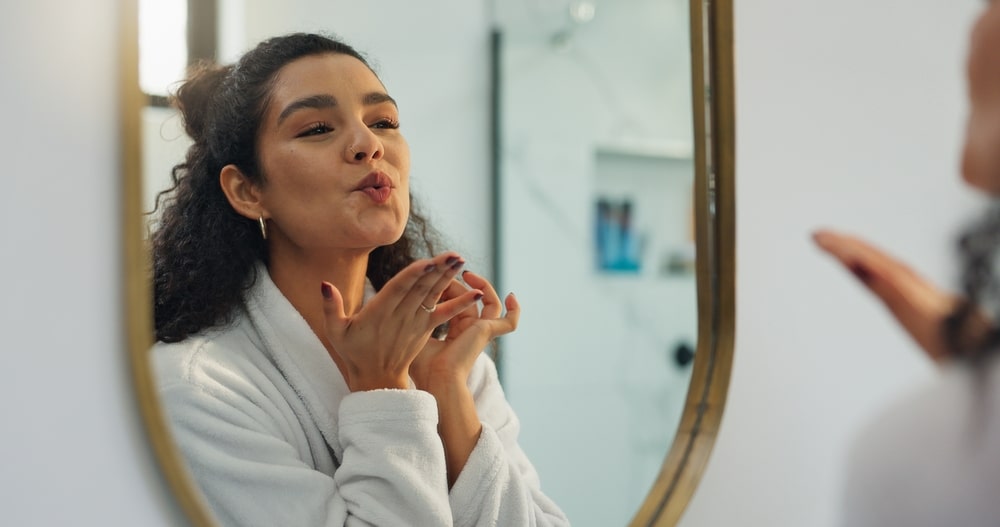
“Stop looking at your skin in a magnifying mirror,” she said. When we zoom in on every individual pore and pigment spot, we are tempted to over-treat and over-scrub. The goal isn’t “perfect” skin; the goal is a healthy, functioning barrier. By stepping back from the mirror and being gentle with ourselves, we allow our skin to do what it does best: protect us.
***
**Summary:**
True skincare in your 30s isn’t about expensive 10-step routines or chasing viral trends like tallow balm. It’s about returning to the basics: a gentle cleanser, a solid moisturizer, and daily SPF. Because skin health is 80% internal, managing stress and sleep is more effective than any serum. By focusing on barrier health rather than aggressive correction, and by stepping away from the magnifying mirror, parents can maintain a healthy glow without the burnout.