













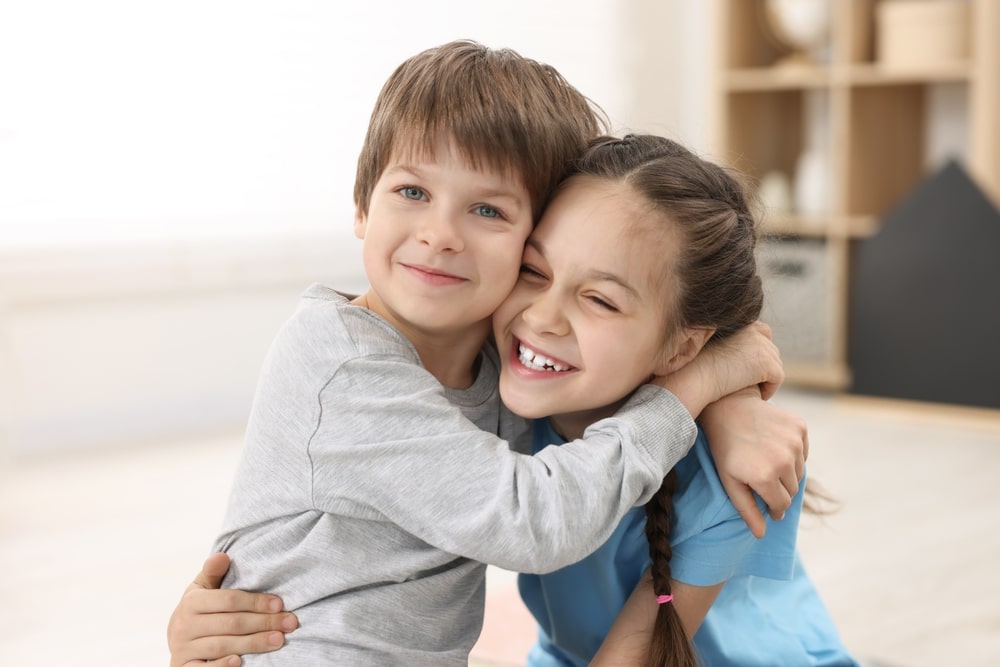
Ending sibling rivalry is a goal for many parents who want to foster lifelong friendships between their children. Sibling rivalry is defined as the jealousy, bickering, and competition that often occurs between brothers and sisters. While it can be a significant source of stress for the entire household, there are effective strategies to transform these conflicts into opportunities for connection. By understanding the root causes of fighting, parents can implement solutions that encourage kids to stop arguing and start supporting one another.
Effective Strategies for Reducing Sibling Conflict
Implementing a few targeted strategies can make a dramatic difference in how your children interact. The following methods are designed to address the underlying needs of each child while setting clear expectations for behavior:
- Prioritize one-on-one time with each child to ensure they feel valued.
- Ensure every child has dedicated “alone time” to recharge.
- Maintain a consistent set of family rules regarding kindness and respect.
- Model empathetic behavior to teach children how to consider others’ feelings.
- Follow the principle of valuing people and relationships over material possessions.
When parents approach sibling bickering with a clear plan and consistent execution, even the most persistent arguments can be resolved. While it is common for laughter to turn into tears during play, sibling rivalry does not have to be the permanent state of your home. With the right tools, you can guide your children toward becoming each other’s best friends.
As a child development therapist and mother of four, I have spent over two decades helping families navigate these dynamics. Sibling conflict is a universal experience, but it is one that can be managed. My own children, now teenagers and young adults, have transitioned from occasional rivals to genuine best friends who choose to spend their free time together. This shift is possible for every family through patience and the application of proven techniques.
Understanding the History of Sibling Conflict
Sibling rivalry is an age-old phenomenon. It is often said that children feel safe enough to express their strongest emotions—including frustration and anger—with those they love most, knowing that the familial bond is unconditional. Parents have been navigating these waters for generations, all sharing the same fundamental desire: for their children to be kind to one another and cherish their unique bond.
Common Triggers for Sibling Arguments
To effectively address sibling rivalry, it is essential to identify why the conflict is happening. Some of the most frequent causes include:
- Boredom: Children without engaging activities or responsibilities may resort to bickering to fill their time.
- Attention Seeking: Kids may act out if they feel they aren’t receiving enough individual attention from parents.
- Birth Order Dynamics: Older children may feel a need to exert control, while younger children may push boundaries to assert themselves.
- Personality Clashes: Different temperaments, such as an easygoing child versus a highly structured one, can lead to natural friction.
- Learned Behavior: If children believe aggressive behavior is a way to get what they want, they will continue it.
- External Stress: Challenges at school or with friends can cause kids to take their frustrations out on their siblings.
- Physical Needs: Fatigue and poor nutrition are major contributors to irritability and low conflict tolerance.
Generational Lessons on Family Peace
Sibling rivalry has looked remarkably similar across different eras. Looking back at family stories from the 1960s, we see recurring themes of parents striving for harmony. One grandmother famously reminded her children that if they couldn’t maintain peace within their own family, they couldn’t expect peace in the wider world.
Other families recall how popular media, like “The Three Stooges,” influenced how brothers played, often turning pretend wrestling into real fights. There are also lessons in fairness, such as the story of a parent taking away a coin when a child used it to boast over a sibling, teaching that bragging is not worth the prize. These stories remind us that while the specific “things” children fight over may change, the underlying need for guidance in conflict resolution remains the same.
Is It Normal for Siblings to Fight?
Frequent arguing is a standard part of child development. Research indicates that children under the age of seven may have several minor arguments every hour. While this is a common behavior, it doesn’t mean parents should leave it unaddressed. The goal is to move past the bickering and toward a supportive relationship.
Potential Growth from Sibling Rivalry
While frustrating for parents, sibling conflict can offer a form of “on-the-job training.” Through these interactions, children learn how to negotiate, solve problems, and manage intense emotions like envy or anger. Conflict with a sibling allows teenagers to practice setting boundaries and differentiating themselves within a safe environment. However, when left unchecked, it can overshadow family activities and create a negative household atmosphere.
The Duration of Sibling Competition
Rivalry usually begins in early childhood as children compete for space, toys, and parental focus. Since siblings spend a significant portion of their free time together, these interactions are constant learning opportunities. While conflict often lessens as children mature, it may spike during major life transitions or adolescence. With consistent parental guidance, most children eventually outgrow the intense rivalry stage and build a foundation for an adult relationship based on mutual respect.
Expected Timeline for Improvement
If you are consistent with the strategies mentioned below, you can typically expect to see progress on the following schedule:
- Weeks 1-2: Initial adjustments to new rules; some resistance is normal.
- Weeks 3-4: Visible reduction in bickering and better attempts at self-regulation.
- Months 2-3: A significant decrease in the frequency of rivalry.
- Months 4-6: The development of a stronger, more supportive bond where conflict becomes the exception rather than the rule.
Proven Methods to Stop Sibling Rivalry
The ultimate objective is for children to value one another and protect their relationship. Parents can facilitate this by teaching kids to have each other’s backs and respect the family unit above all else.
1. Prioritize Empathy
Many conflicts arise from a child’s need to feel heard and valued. When a child complains about a sibling, try responding with empathy rather than dismissal. Acknowledging their feelings—such as saying, “It sounds like it really frustrated you when he took that”—can often de-escalate the situation faster than a direct command to stop tattling. When children feel understood, they are often more willing to resolve the issue themselves.
2. Implement Equal Consequences
In “he said/she said” scenarios where the truth is unclear, avoid playing judge. Instead, treat the participants equally. If a conflict cannot be resolved peacefully, all involved parties should face the same consequence, such as a neutral chore. This encourages them to work together to avoid the penalty next time.
3. Value People Over Possessions
Establish a firm rule: if an object causes a fight, the object is removed. Remind children that their relationship is far more important than any toy or game. By taking the item away until the next day without repeated warnings, you teach them that protecting their bond is the priority.
4. Manage Digital Distractions
Electronics can often isolate family members. Consider implementing “no-screen” periods to encourage traditional play. If screens are used, try making it a collaborative experience where siblings must play a game together or watch a show as a group. This turns a solitary activity into a team-building exercise.
5. Encourage Positive Affirmations
Use “put-ups” to counter “put-downs.” If a child says something unkind, require them to offer three genuine compliments or kind observations about their sibling. This helps rewire their focus toward their sibling’s positive traits. Keeping a “kindness journal” where siblings write one nice thing about each other daily is another excellent way to build this habit.
6. Empower Children to Resolve Conflict
Unless someone is being physically hurt or bullied, encourage children to find their own solutions. Give them the language and tools to negotiate, and remind them that if they cannot reach a compromise, you will have to step in with a neutral consequence. This builds essential life skills.
7. Foster Shared Experiences
Encourage activities that require cooperation. Whether it’s a project, a shared chore, or a game, spending quality time together helps siblings build a bank of positive memories. Do not be too quick to let individual activities replace family time.
8. Utilize Positive Reinforcement Systems
Visual reward systems, such as a “kindness jar” filled with cotton balls for helpful behaviors, can be highly effective. By focusing on and rewarding the moments they get along, you reinforce the behaviors you want to see more of.
9. Respect the Need for Individual Space
Even the best of friends need a break from one another. Ensure each child has time for independent play or quiet reading. This downtime allows them to decompress and actually look forward to interacting with their siblings later.
10. Practice Public Gratitude
Let your children hear you expressing gratitude for their relationship. Speaking positively about their bond in their presence—acknowledging how lucky they are to have a built-in best friend—helps shape their own internal narrative about their siblings.
Using Family Meetings to Solve Problems
Including children in the decision-making process can increase their buy-in. When a recurring issue arises, hold a family meeting to discuss it. Ask open-ended questions like, “How can we handle it when someone feels left out?” or “What are some ways we can share toys without arguing?” Role-playing these scenarios can be especially helpful for younger children to understand practical ways to apply kindness in real-time.
Final Thoughts on Sibling Bonds
While sibling rivalry is a natural part of growing up, it does not have to define your children’s relationship. By focusing on empathy, setting clear boundaries regarding “people over things,” and encouraging shared experiences, you can help your children move past bickering. Consistency is the key to transforming these early conflicts into a foundation for a supportive, lifelong friendship. Remember that your words often become their inner voice; by highlighting their successes and their bond, you guide them toward a future where they truly cherish one another.