




















In years past, many of us viewed potassium through a very narrow lens—perhaps only associating it with bananas or the occasional muscle cramp. However, as we dive deeper into the body’s complex electrical system, it becomes clear that potassium is a fundamental, yet frequently ignored, component of holistic wellness. In our modern world, we often face the paradox of being overfed yet undernourished; we consume ample calories but remain starved of the essential minerals required for energy production, stress regulation, and cellular communication.
This “mineral gap” is a significant departure from the way our ancestors lived. Historically, human diets were rich in potassium-heavy foods like tubers, wild fruits, and mineral-dense broths. Today’s lifestyle—often characterized by a “nature deficit”—has disconnected us from these vital sources. When we intentionally restore our potassium levels alongside sodium and magnesium, the results can be transformative for energy levels, mood stability, and overall physical resilience.
The Vital Role of Potassium in Cellular Health
Potassium serves as the primary intracellular electrolyte, meaning the vast majority of it resides inside our cells. In contrast, sodium is primarily found outside the cell. This specific distribution creates the electrical charge necessary for life. While we often think of the body as a chemical machine, it is also deeply electrical. Every heartbeat, nerve signal, and brain impulse relies on this electrical communication, which potassium helps to regulate.
When potassium levels are sufficient, our heart maintains a steady rhythm, our muscles contract properly, and our nervous system remains balanced. If levels drop, these electrical signals can become unstable. Think of the major electrolytes as a team: sodium acts as the “charger,” magnesium serves as the “relaxer,” and potassium functions as the “balancer.” Potassium works behind the scenes to ensure cellular communication remains steady and energy levels stay consistent.
How the Sodium-Potassium Pump Powers the Body
One of the most essential biological processes is the sodium-potassium pump. This mechanism constantly shuttles these two minerals across cell membranes to maintain electrical equilibrium. This process happens every second of every day and requires a staggering amount of the body’s total energy to function. This pump is the engine behind brain function, muscle movement, and heartbeat regulation.
When potassium intake is inadequate, this pump becomes less efficient. This inefficiency can manifest as persistent fatigue, “brain fog,” a sluggish metabolism, or even feelings of anxiety and overstimulation. Many discussions regarding chronic stress and low energy focus on hormones or calories, but they often overlook the fundamental minerals that provide the electrical power for those systems to work in the first place.
Potassium’s Calming Effect on the Nervous System
Potassium is a key player in nervous system regulation. While sodium is responsible for activating nerve signals, potassium is what allows the nerve to “reset” and return to a baseline state. Without enough potassium, nerves can remain in a state of hyper-reactivity or stay “fired up” longer than necessary. This may be why a deficiency is often linked to symptoms like internal shakiness, heart palpitations, or a constant feeling of being on edge.
In a society where many people feel trapped in a perpetual “fight-or-flight” state, minerals can offer a physical foundation for calmness. By ensuring the body has the minerals it needs to signal safety to the nervous system, we can build resilience against external stressors. Potassium acts as a stabilizing force, allowing the body to function with more grace and less reactivity.
The Connection Between Potassium and Blood Sugar
A lesser-known role of potassium is its involvement in blood sugar management. Potassium is required for cells to effectively take up glucose. When potassium is scarce, insulin may become less effective, forcing the body to work much harder to keep blood sugar levels stable. This means that even those eating a healthy diet might experience symptoms that mimic insulin resistance if they are mineral-deficient.
This connection is particularly vital during life stages with high hormonal demands, such as pregnancy, the postpartum period, and the transition through perimenopause or menopause. During these times, the body’s requirement for minerals increases significantly. Maintaining a proper mineral balance is essential for the body to use energy efficiently and maintain steady blood sugar levels.
Why Potassium Deficiency Is Common Today
Despite its importance, most adults fail to meet the recommended daily intake of potassium, which experts generally place between 3,400 and 4,700 milligrams. Modern dietary shifts are largely to blame. Highly processed foods are typically loaded with sodium but devoid of potassium, creating a mineral imbalance that negatively impacts hydration, blood pressure, and cellular health.
Furthermore, certain popular dietary trends, such as strict low-carb or ketogenic diets, can inadvertently lead to low potassium by eliminating major sources like fruit, potatoes, and beans. Additionally, chronic stress plays a role; high levels of cortisol signal the kidneys to excrete more potassium through urine. This means that ongoing stress physically drains your mineral stores, making intentional replenishment even more critical.
Potassium’s Impact on Digestive Function
Potassium is also essential for healthy digestion. The muscles that line the digestive tract depend on potassium to contract and move food through the system. When levels are low, gut motility can slow down, leading to common issues like bloating and constipation. While fiber is often the first thing people reach for to improve digestion, minerals are just as important for ensuring the muscles of the digestive system can do their job.
Identifying the Signs of Low Potassium
Detecting a potassium deficiency can be difficult because standard blood tests are not always representative of what is happening inside the cells. The body works very hard to keep blood levels of potassium within a tight range, even if cellular stores are nearly empty. However, there are several physical clues that may suggest your levels are low:
- Chronic fatigue or lack of stamina
- Muscle cramping or twitching
- Sluggish digestion, bloating, or constipation
- Unstable blood sugar levels
- Heart palpitations or elevated blood pressure
- Internal feelings of anxiety or shakiness
- Salt cravings and fluid retention
While these symptoms can stem from various issues, the prevalence of mineral deficiency makes potassium a logical starting point for many looking to improve their health.
The Synergy of the Electrolyte Trifecta
Potassium should rarely be viewed in isolation. It works in a delicate dance with sodium and magnesium. Sodium manages fluid outside the cells, potassium manages fluid inside the cells, and magnesium facilitates the processes that keep these minerals in balance. When one is missing, the others cannot function optimally.
For example, if potassium is low, the body may retain excess sodium, leading to puffiness and higher blood pressure. Similarly, a lack of potassium can make magnesium supplements feel less effective because the cell’s electrical balance is still compromised. A holistic approach that addresses all three minerals is usually the most effective way to restore balance.
Top Dietary Sources for Potassium Replenishment
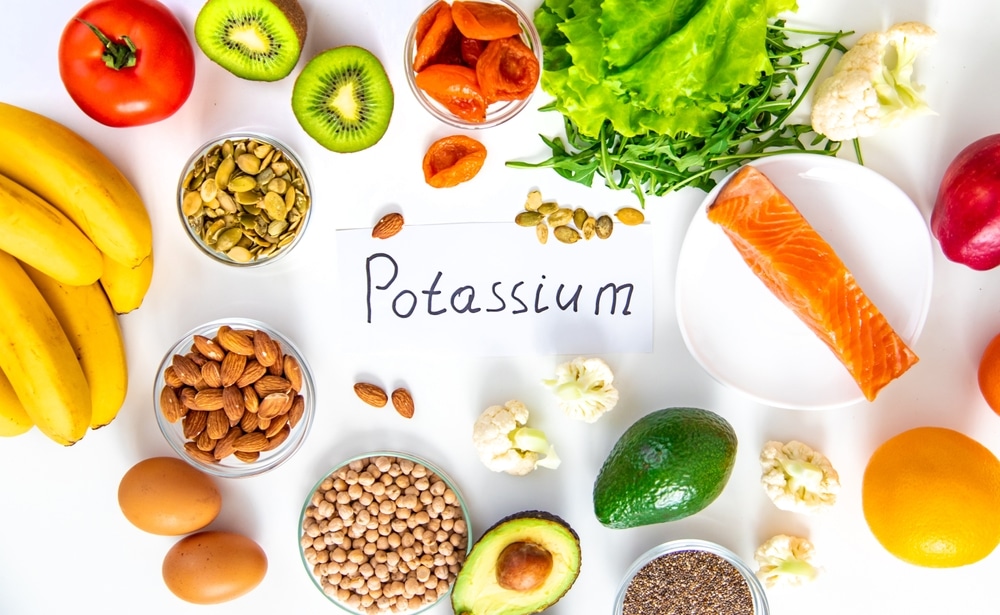
While bananas are the most famous source, many other whole foods offer significantly more potassium. To boost your intake naturally, focus on:
- White potatoes and sweet potatoes
- Avocados
- White beans
- Coconut water
- Leafy greens like spinach and chard
- Citrus fruits, melons, and kiwi
- Winter squash
- Tomatoes and beets
- Salmon
- Pomegranates
Eating seasonally can also help you stay on track. Hydrating fruits and coconut water are excellent during the summer or after exercise, while root vegetables provide a steady source of minerals during the colder months.
Important Considerations for Potassium Supplementation
While food should always be the primary source, some may benefit from targeted supplementation. However, caution is required. Unlike magnesium, which the body can tolerate in higher doses, potassium levels can shift quickly. Excessive potassium can be dangerous, potentially causing heart rhythm issues or muscle weakness.
Most over-the-counter supplements contain very low doses for safety reasons. A balanced approach—using nutrient-dense foods and perhaps a well-formulated electrolyte mix—is often safer and more effective for maintaining the body’s electrical signaling than high-dose isolated supplements.
Reconnecting with the “Electrical Body”
Viewing the body as an electrical system changes how we prioritize nutrition. Minerals are not just “vitamins”; they are the conductors of the electrical impulses that allow our cells to talk to one another. Sufficient potassium levels lead to steady energy, calm nerves, stable blood sugar, and better hydration. Addressing a mineral deficiency can often resolve feelings of being “tired but wired,” providing the body with the stability it needs to thrive.
Summary of Potassium’s Impact on Wellness
Ultimately, potassium is a foundational nutrient that supports nearly every major system in the body—from hormones and digestion to heart health and stress management. In our high-stress, processed-food environment, it is more important than ever to be intentional about mineral intake. By prioritizing potassium-rich whole foods and maintaining a balance with sodium and magnesium, you can support your body’s electrical health, leading to improved resilience, better energy, and a more balanced nervous system.