



















Over the last several months, the amount of time our children spend in front of digital screens has increased significantly. For many families, this shift was born out of necessity as traditional classrooms transitioned into virtual learning environments. While we have learned to adapt to these new educational demands, it has become essential to implement proactive measures to protect our children’s health in this digital-first landscape.
To address these challenges, many parents are turning to blue light blocking technology, such as specialized screen protectors, to mitigate the impact of prolonged device use. By establishing clear screen time boundaries and integrating protective tools into our daily routines, we can better manage the effects of high-energy visible (HEV) light on our families.
Developing Healthy Digital Habits for the Modern Child
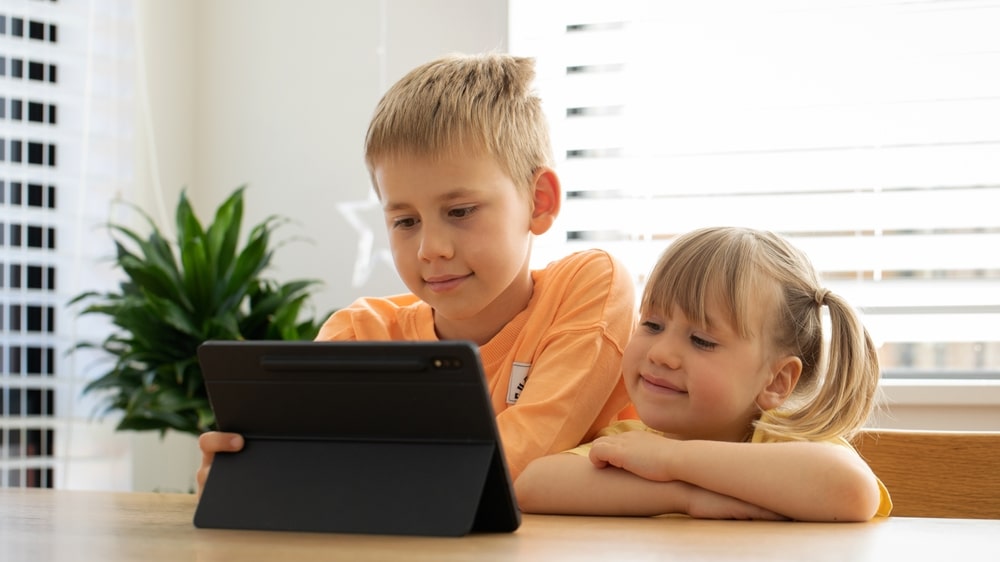
Currently, children across the globe are more connected than ever. Research indicates that due to the rise of e-learning, many students now spend more than half of their waking hours interacting with digital devices. This represents a massive shift in how children consume information and interact with the world.
Data suggests that more than half of elementary and high school students are participating in strictly online learning, with nearly another 20% utilizing a hybrid model. This shift has left the majority of mothers concerned about the long-term effects of screen exposure, specifically questioning where to draw the line to prevent “too much” screen time. From attending virtual lectures and researching projects to completing digital math modules and reading e-books, the modern student’s day is tethered to a screen.
Protecting Young Eyes with Blue Light Technology
With screens becoming a mandatory part of a child’s day, the focus has shifted toward protecting them from the potential side effects of overexposure. In the past, thirty minutes of device time might have been a weekend luxury; today, many children are required to be online for three or more hours just to complete their schoolwork. Without proper protection, this intensity of use can lead to digital eye strain, persistent headaches, physical irritation, and a noticeable decrease in focus.
As parents, we often strive to encourage offline, screen-free play to foster creativity and physical health. Many of us are aware of the links between excessive electronic use and its impact on a child’s emotional well-being, which makes finding a balance even more critical in an era where technology is unavoidable.
The Importance of Educational Adaptability
Successful education is often defined by the ability to adapt to changing circumstances. As the world evolves, our methods of learning must follow suit. Embracing technology doesn’t mean ignoring its risks; rather, it means finding ways to use these powerful tools safely.
While technology offers incredible benefits—such as instant access to information and global connectivity—maintaining a healthy balance is key. The goal is to maximize the educational rewards of these devices while minimizing the physical and mental toll they can take on a developing child.
Addressing the Reality of Constant Connectivity
Because such a large portion of a child’s day is now spent in front of a monitor, parents must take an active role in managing digital consumption. This includes setting strict boundaries for non-educational screen time, using protective filters, and ensuring that physical chores and “unplugged” play occur before any recreational device use.
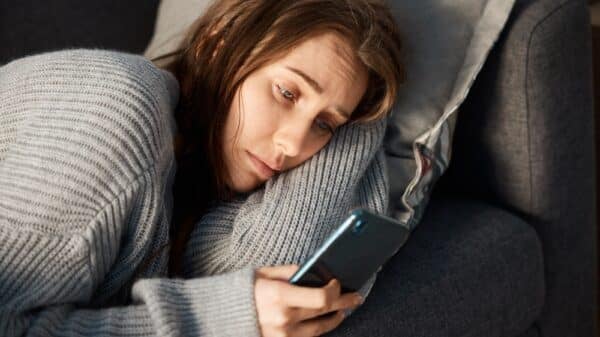
Research into the “new normal” of family life highlights some startling trends regarding technology and sleep. For instance, a significant number of teenagers report checking their mobile devices during the night, which can lead to disrupted sleep patterns and lower academic performance. Furthermore, many children sleep with their phones within reach or even in their beds, and a large percentage of both parents and teens use devices in the critical minutes leading up to sleep. Interestingly, while parents are increasingly concerned about their own “addiction” to devices, many teenagers are becoming more aware of their usage as well.
The Direct Link Between Screen Usage and Blue Light
Increased time spent on laptops, tablets, and smartphones directly correlates with higher exposure to blue light. Understanding what blue light is and how it affects the human body is the first step in mitigating its risks. By using high-quality filters, we can significantly reduce the strain placed on our eyes during long hours of computer work.
Defining the Science of Blue Light
Natural sunlight is composed of a spectrum of colors, including red, orange, yellow, green, and blue. When combined, these create what we perceive as white light. The rays on the blue end of the spectrum possess shorter wavelengths and higher energy, known as High Energy Visible (HEV) light. While blue light is beneficial during the day because it helps maintain mood and alertness, it can be highly disruptive when encountered after sunset.
Identifying Common Sources of Artificial Light
While the sun remains the primary source of blue light, we are increasingly surrounded by artificial sources in our homes, such as:
- Fluorescent and LED lighting
- Flat-screen televisions
- Laptops and desktop monitors
- Smartphones and tablets
- Handheld gaming consoles
The Physiological Impact of Blue Light
The effects of blue light are complex; it can be both helpful and harmful depending on the source and the timing of exposure.
Natural Benefits for the Body
When obtained through natural sunlight, blue light is essential for regulating our circadian rhythms—the internal clock that tells us when to wake up and when to sleep. It also supports cognitive function, memory, and overall mental alertness.
Potential Health Concerns of Overexposure
The risks of artificial blue light often become apparent in clinical settings, particularly concerning sleep disorders. Experts frequently recommend eliminating blue light exposure in the hours leading up to bedtime to ensure the body can produce the necessary hormones for rest.
Interference with Natural Sleep Cycles
It is scientifically established that blue light can suppress melatonin production, which negatively impacts sleep quality. Utilizing a protector that filters HEV light without altering the screen’s appearance can help reduce these negative effects on the eyes and the brain’s sleep signals.
Impact on Skin and Long-term Wellness
Beyond the eyes, overexposure to blue light has been linked to accelerated signs of skin aging, including the development of fine lines and hyperpigmentation, similar to the damage caused by UV rays. Other concerns include:
- Digital eye fatigue and potential long-term retinal damage.
- Developmental delays associated with excessive screen time in early childhood.
- Increased rates of poor mental health and behavioral issues in adolescents who use devices late at night.
- Frequent headaches and reduced attention spans.
Strategies for Effective Light Filtration
There are several ways to block excessive blue light. While many people consider blue light glasses, a more seamless solution is the application of an anti-blue light screen protector directly to the device. These tools have proven to be highly effective in reducing strain and protecting the user throughout the day.
Understanding the Benefits of Screen Protectors
A high-quality blue light protector functions much like a standard screen guard but with advanced filtration properties. Unlike glasses, which a child may forget to wear or find uncomfortable, a screen protector provides constant, passive protection.
Performance and Durability of Modern Filters
Modern tempered glass protectors offer multi-layered benefits. In addition to filtering out harmful light, they provide impact resistance, anti-glare properties, and scratch protection. Some advanced options even include antimicrobial coatings to keep the device surface cleaner.
These protectors are available for a wide range of devices, including laptops, smartphones, tablets, and even gaming systems like the Nintendo Switch. Because they are designed to be crystal clear, they do not change the visual quality of the screen or the aesthetic of the device. The only difference the user typically notices is a reduction in eye strain and an improvement in sleep quality.
Whether you are reading a digital book before bed or finishing a work project on your laptop, having a permanent filter in place ensures you are protected around the clock. It eliminates the need to remember specialized eyewear and provides peace of mind that your family’s vision is being safeguarded during every digital interaction.
Immediate Actions to Reduce Exposure
While waiting to install hardware solutions, you can take immediate steps to manage blue light exposure. Adapting to our new digital environment is not just about coping with the changes, but about finding ways to thrive within them.
By adjusting our habits to fit our current circumstances—much like water shapes itself to its container—we can ensure that our children remain healthy, focused, and balanced. Screen time may be a permanent fixture of modern education, but with the right tools and boundaries, we can manage it effectively.
Final Thoughts on Maintaining Digital Balance
Protecting our children in a world dominated by screens requires a multi-faceted approach. By combining physical solutions like blue light filtering screen protectors with healthy household habits—such as “no-tech” zones and strict pre-bedtime routines—we can mitigate the risks of digital eye strain and sleep disruption. Embracing technology safely allows our children to enjoy the educational benefits of the digital age without compromising their physical or emotional health. The key lies in being proactive, staying informed, and remaining adaptable as our digital landscape continues to evolve.