




















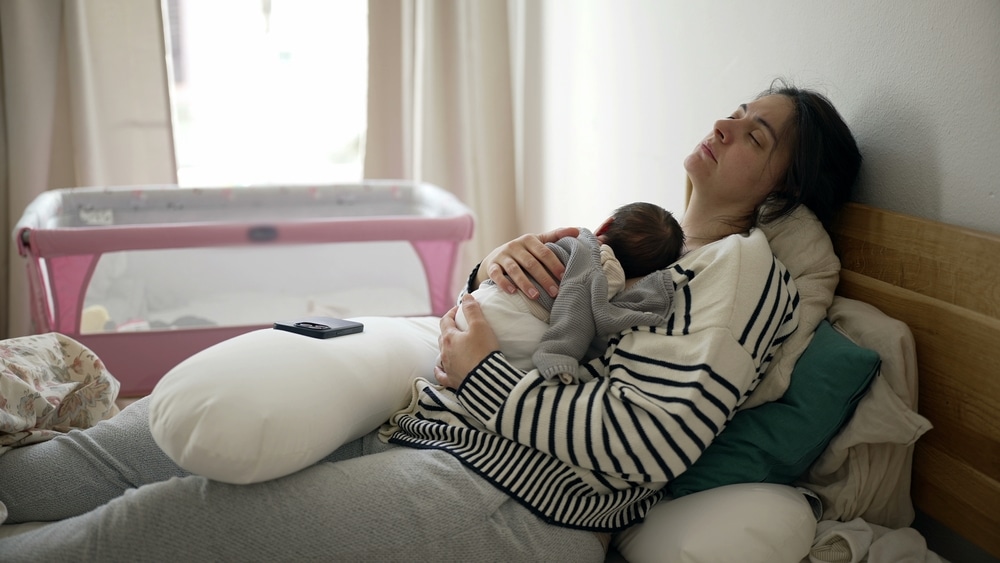
As parents, we spend a significant amount of energy worrying about our children’s sleep schedules. We track their naps, establish bedtime routines, and celebrate the milestone of them finally sleeping through the night. however, once the house finally grows quiet, many mothers find themselves staring at the ceiling instead of getting the restorative rest they need. Reclaiming your sleep is essential for your physical health and emotional well-being.
Six Practical Strategies to Help Moms Achieve Better Rest
1. Clear Your Mental To-Do List
The “mental load” of motherhood often peaks the moment your head hits the pillow. If you find yourself ruminating on tomorrow’s chores or missed tasks, it becomes impossible for your brain to shift into sleep mode. To combat this, try to finish urgent tasks before bed or, more realistically, externalize them. Writing a physical list on paper or a calendar acts as a “brain dump,” allowing your mind to let go of the responsibility of remembering. When your tasks are safely recorded, your brain feels permitted to relax.
2. Utilize Socks for Temperature Regulation
It may seem counterintuitive to wear socks to bed, but keeping your feet warm can actually help you fall asleep faster. Warmth on the extremities promotes vasodilation—the widening of blood vessels—which helps the body redistribute heat and signals to the brain that it is time for rest. Incorporating a comfortable pair of socks into your nighttime routine after a warm shower can create the ideal physical environment for deep sleep.
3. Opt for a Light Evening Snack
Going to bed hungry can be just as disruptive as going to bed too full. If you need a little something before sleep, choose a light snack about an hour before you plan to turn out the lights. Avoiding heavy, greasy, or overly spicy foods prevents indigestion that might wake you up mid-cycle. Consistency is key; finding a light ritual that works for your body can help signal the end of the day.
4. Eliminate Ambient Light Sources
While night lights are helpful for navigating a house with children, they can be detrimental to an adult’s sleep cycle. Melatonin production is highly sensitive to light. To maximize your sleep quality, ensure your bedroom is as dark as possible. This might mean closing bathroom doors completely or removing hallway night lights that bleed into your room. Darkness is a powerful cue for your internal clock to stay in a deep sleep state.
5. Replace Screen Time with Reading
The blue light emitted by phones, tablets, and televisions can interfere with your natural sleep hormones. Transitioning to a physical book or a devotional during the final minutes of your day allows your nervous system to wind down. Setting a specific page limit or time duration for reading can help you transition into sleep without the overstimulation that comes from digital scrolling.
6. Invest in a Supportive, High-Quality Mattress
The foundation of good sleep is the surface you lie on. If your mattress is uncomfortable or made with harsh chemicals, your sleep quality will suffer. Many modern parents are turning toward organic options that replace synthetic foams and chemical flame barriers with natural materials like certified organic cotton or wool. A mattress that offers the right balance of firmness and pressure relief is a vital investment in your long-term health and daily energy levels.
Prioritizing your own sleep is not a luxury; it is a necessity that allows you to be the best version of yourself for your family. By implementing these small changes to your evening routine and sleep environment, you can ensure that you are just as well-rested as the kids. Sweet dreams!