




















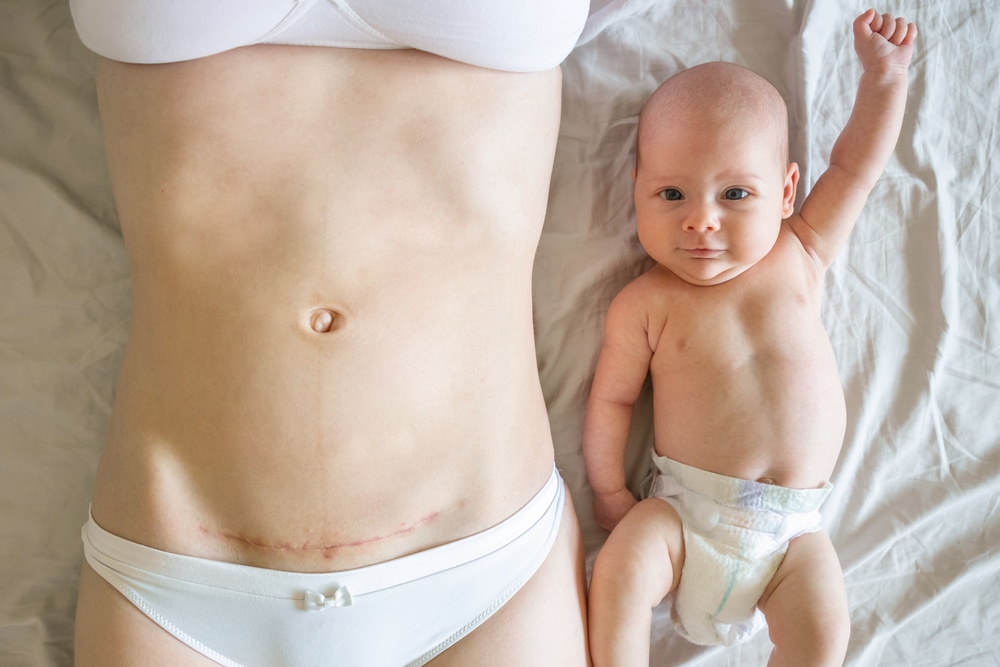
There is a moment after a C-Section when quiet hits. The room shifts from high focus to soft hums. You look down and meet a new line on your body. Maybe you feel pride. Perhaps you feel grief. Maybe both. This scar now holds a birth story, hours of decision-making, and your first chapter as a parent after surgery.
If you have complicated feelings about your scar, you are not alone. Recovery asks for patience, practical support, and a gentler way of speaking to yourself. This guide offers simple steps to care for your incision, your core, and your heart. You will find scripts, small routines, and mindset shifts that help you see your scar not as a setback but as a sign of what you made possible.
What to know first
According to the American College of Obstetricians and Gynecologists, a C-Section is a major surgery and typical recovery includes rest, pain management, and gradually increasing light activity.
Healing is not linear. Swelling, tugging, and sensitivity can ebb and flow. This does not mean you are doing it wrong.Rest is productive. Surgery is real, and you deserve time to heal. Light movement and deep rest can both support recovery.Your story belongs to you. A C-section can be planned, unplanned, joyful, disappointing, or all of the above. You get to hold the nuance without forcing a silver lining.Caring for the scar is whole-person care. Skin, fascia, pelvic floor, and emotions are connected. Attending to one supports the others.
A gentle self-talk reset
Try this simple script when hard thoughts pop up:
“My scar is evidence of survival, not failure.”“I can love my baby and grieve parts of my birth at the same time.”“Today I choose comfort and small steps.”
A step-by-step plan for body care
1) Early days: protect and support
Follow your discharge instructions for dressing changes and showering. Pat dry with a clean towel.Choose soft, high-waisted undies and loose waistbands to reduce rubbing.Hug a pillow to your belly when you cough, laugh, or sneeze.Use a log roll to get out of bed. Bend your knees, roll to your side and press up with your arms.
Quick comfort kit: a peri bottle, high-waisted cotton underwear, a soft robe, an extra-long phone charger, bedside snacks, a water bottle.
2) As your incision closes: soothe and shield
When your provider confirms the incision is closed and healing well, ask about:
Gentle cleansing with mild soap and water.Scar support, like silicone gels or sheets.Daily sunlight protection. Scar tissue can darken with sun exposure.A light belly band, if it helps you move more comfortably. Use for shorter periods and remove for rest.
Note: If redness spreads, drainage appears, pain spikes, or you have a fever, call your provider.
3) Weeks ahead: restore connection
When you are cleared for activity, think tiny and consistent:
Breath work. Place your hands around your lower ribs. Inhale through your nose to expand your ribcage. Exhale to feel ribs soften and pelvic floor rise and fall.Core reconnection. Try heel slides, seated marches, and pelvic tilts with slow breaths. Stop at any pulling near the scar.Scar touch. With clean hands and provider clearance, use light, fingertip circles around the scar, then gently over it to reduce tightness. One to two minutes is enough.Walking. Short, frequent walks beat long, exhausting ones.
Pelvic floor therapy: If available, a pelvic floor physical therapist can tailor exercises for core strength, posture, and scar mobility.
Real-life tweaks when things get messy
Feeding and holding baby
Try positions that keep the baby off your incision. Football hold, side-lying, or a supported, laid-back position can help.Use pillows to build a soft ramp, not a tower. Your shoulders should relax and your wrists should not strain.
Bathroom moments
Constipation is common after surgery, and a C-section is surgery. Drink water, add fiber-rich foods, and ask your provider about stool softeners if needed.Support your belly with a small folded towel when you bear down.
Sleep and rest
Side-lying with a pillow between your knees can reduce tugging.Nap when help is in the house. If you cannot sleep, close your eyes and breathe for ten slow cycles.
Clothing confidence
Start with soft fabrics and high rises. Over time, explore what feels good against your skin.If texture bothers you, try a thin cotton camisole under everything to reduce friction.
Returning to intimacy
Go slowly. Pain, dryness, and tenderness are common after birth and surgery.Try a check-in script: “I want to be close and I also feel cautious. Can we keep talking and move at my pace?”If pain or fear makes intimacy difficult, a pelvic floor therapist or licensed counselor can help.
Reframing the story of your scar
A new narrative to try on
Your scar can be a reminder of decisions made from love and wisdom in a hard moment. You do not have to love every detail of your birth to honor your body. The goal is not to erase the line on your skin but to soften the story wrapped around it.
Mini ritual: Place a palm over your scar when you remember. Breathe in, say, “Thank you for getting us here,” breathe out, and release your jaw. One breath is enough.
Talking about your scar with kids
For toddlers: “This is my special line from when you were born.”For older kids: “My body worked very hard to bring you here. This scar shows hard work.”
Talking with loved ones
“I appreciate your support. I am proud of my scar and I am still processing my birth. Both are true.”“I do not need advice right now. Listening is the help I want.”
When to call a pro
The CDC advises calling your provider right away if you notice post-op symptoms such as incisional redness, worsening pain, drainage, or a fever after surgery. Other concerning symptoms you should reach out to your care team for:
Increasing warmth or drainage at the incisionChillsSharp pain that is not eased by restA firm, painful area near the scarUrinary burning or urgencyLow mood, panic, scary thoughts, or trouble bonding with your baby
Support can also look like:
Pelvic floor physical therapyLactation support for comfortable feeding positionsPostpartum counseling for birth processing and identity shiftsCommunity care, like meal trains or short-term childcare, so you can rest
What parents can do today
Pick one tiny movement to practice with your breath.Set a phone reminder to drink water and eat every few hours.Ask one person for one specific task. “Could you pick up two freezer meals and drop them on the porch today?”Write one sentence about your scar in a note on your phone. Gratitude, frustration, or curiosity all count.
A quiet promise to yourself
You earned this recovery. Your scar is not a detour. It is a path you walked with courage. You are allowed to feel proud of the body that carried you and your baby through.
“My scar is proof that love lives in muscle, skin, patience, and time.”