




















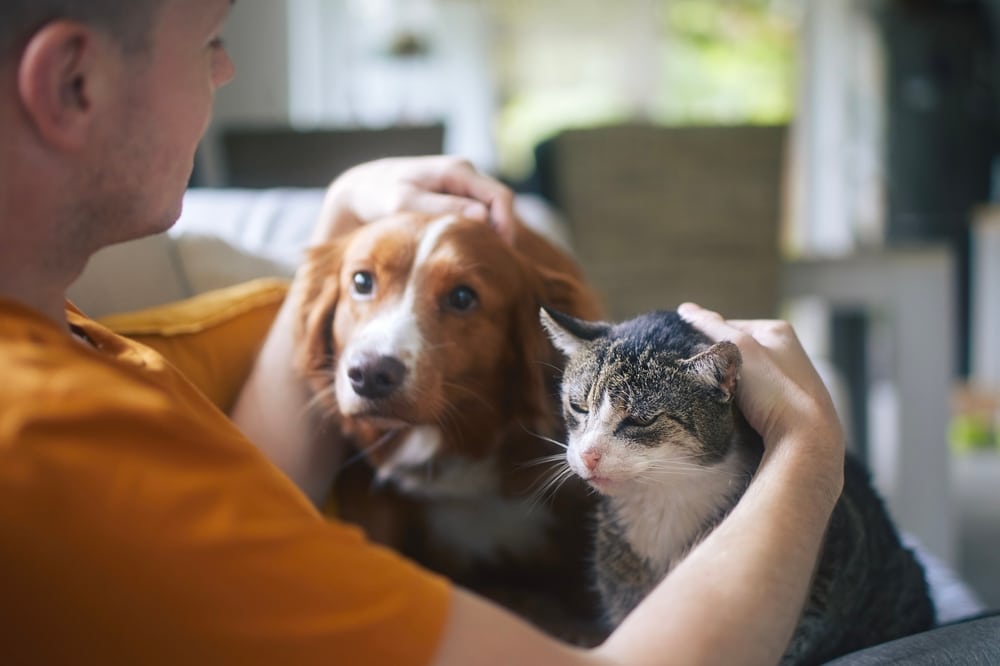
In an era where conversations surrounding emotional well-being are becoming more mainstream, many are seeking alternative ways to manage the daily pressures of modern life. While traditional therapies are essential, there is a gentle yet profound remedy that has gained significant recognition: animal-assisted support. For anyone who has ever felt a sense of calm simply by sitting near a dog or listening to a cat’s purr, the therapeutic benefits of the human-animal bond are undeniable.
Exploring the connection between humans and animals reveals why these companions are much more than just household pets—they are active participants in our emotional healing and mental stability.
The Power of Unbiased Support and Acceptance
One of the most significant challenges for individuals navigating anxiety or depression is the fear of judgment or the feeling of being misunderstood. Pets offer a unique solution to this because they provide a form of companionship that is entirely free of critique. An animal does not require an explanation for your mood, nor do they offer unsolicited advice or interruptions. They simply exist in the moment with you, providing a steady presence that can be incredibly grounding during times of emotional distress.
This nonjudgmental nature is the cornerstone of pet therapy. Whether it is a dog, a cat, or even a smaller animal like a rabbit, their ability to offer emotional support through simple presence helps bridge the gap when human interaction feels too overwhelming.
Establishing Stability Through Daily Caretaking
Mental health struggles, particularly depression, can make even the most basic daily routines feel insurmountable. However, the responsibility of caring for a living creature creates a necessary structure. Animals depend on their owners for consistent feeding, exercise, and hygiene, which naturally encourages a sense of purpose and motivation.
For those struggling with a chaotic internal state, these external requirements provide an essential anchor. Simple tasks, such as filling a water bowl or taking a dog for a morning walk, foster a routine that can help pull a person out of a cycle of stagnation. This is why animal-focused therapy is frequently integrated into long-term recovery programs and residential treatment facilities to help individuals regain a sense of agency.
The Biological Impact of Physical Connection
The soothing sensation of stroking a pet’s fur is more than just a psychological comfort; it is a biological event. Scientific observation suggests that physical interaction with a calm animal can lead to a measurable decrease in cortisol, the body’s primary stress hormone. Simultaneously, these interactions often stimulate the release of oxytocin and serotonin—chemicals in the brain associated with happiness and relaxation.
This physiological response is why therapy animals are frequently utilized in clinical settings, such as hospitals and mental health centers. Just a few minutes of interaction can help lower blood pressure, reduce acute anxiety, and mitigate the intensity of panic attacks. For individuals living with trauma or PTSD, the physical presence of a loyal companion provides a tangible sense of safety that is vital for long-term healing.
Breaking the Cycle of Social Withdrawal
Loneliness is often an invisible side effect of mental health challenges. It is possible to feel isolated even when surrounded by people if those connections lack emotional depth. Animals serve as reliable companions that help mitigate the pain of isolation. They offer a constant, loyal presence that can be particularly transformative for those living alone or those who have experienced significant loss.
Elderly individuals and young people dealing with social anxiety often find that a pet provides the emotional bridge they need to feel connected to the world again. For many, a pet becomes a primary source of emotional support when external social environments feel too demanding or stressful to navigate.
Sensory Grounding and Cognitive Clarity
Animals can provide a stabilizing sensory experience that helps individuals regulate their emotions. For neurodiverse individuals, including those with ADHD or autism, the rhythmic patterns associated with pets—such as the steady breathing of a sleeping dog or the vibration of a cat’s purr—can help the brain focus and relax. This sensory input acts as a form of grounding, helping to redirect the mind away from intrusive thoughts or overstimulation.
This connection is especially evident in children. Learning to interact gently with an animal teaches responsibility and empathy, which can significantly boost a child’s self-esteem and emotional maturity. As a result, many educational and special-needs programs now incorporate therapy animals to foster a more supportive learning environment.
Facilitating Low-Stress Human Connections
For many, the most difficult part of socializing is the pressure of direct communication. Pets act as a “social lubricant,” making interactions with other people feel more natural and less threatening. For instance, walking a dog often leads to brief, low-stakes conversations with neighbors or fellow pet owners. These small interactions are invaluable for individuals with social anxiety.
Because the pet is the focus of the conversation, the individual feels less like they are under a microscope. This shift in attention makes social engagement feel much more approachable. Furthermore, the presence of an animal in a therapy room can make the environment feel less clinical and more like a safe, domestic space, often encouraging patients to be more open during their sessions.
Final Thoughts on the Healing Power of Pets
While healing is a complex journey that often requires a multifaceted approach, the role of an animal companion can be a vital component of that process. Pet therapy is not intended to replace professional medical care or medication, but rather to serve as an additional layer of emotional support. Whether it is the quiet comfort of a bird’s song or the enthusiastic greeting of a dog at the door, these moments of connection provide a unique kind of strength. Sometimes, the most effective support doesn’t come from a clinical setting, but from the simple, honest companionship of a creature that loves without condition.