





















Revitalizing Maternal Stamina: How to Overcome Constant Exhaustion
If you are searching for ways to boost energy levels that do not involve another pot of coffee, you are part of a massive demographic. Gallup data indicates that roughly 14% of Americans feel they lack the vitality needed to navigate their daily lives. For mothers managing the endless cycle of household management, professional responsibilities, and childcare, that figure likely feels much higher.
To reclaim your focus and physical endurance without relying on caffeine, consider these evidence-based strategies:
- Embrace low-glycemic nutrition — Transition from refined sugars to whole foods like oats, eggs, and nuts to prevent energy crashes.
- Prioritize high-quality rest — Refine your evening habits to ensure your sleep is truly restorative.
- Incorporate consistent movement — Even a brief 15-minute walk can significantly lower feelings of lethargy.
- Maintain optimal hydration — A fluid deficit as small as 2% can noticeably impair concentration and stamina.
- Investigate underlying factors — Fatigue is often linked to common nutrient deficiencies or medication side effects.
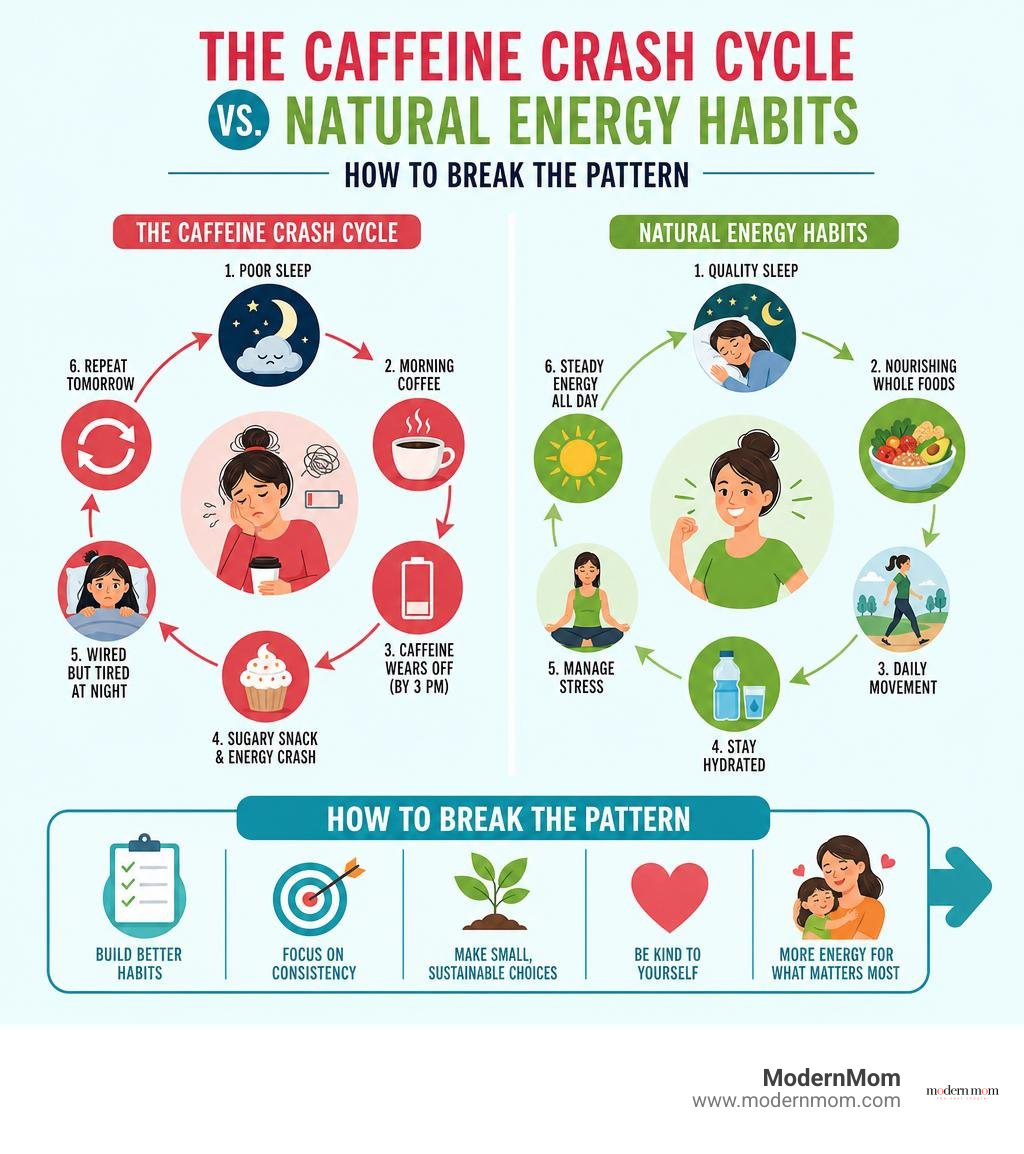
The cycle of exhaustion is rarely a matter of willpower; it is often a physiological response to modern stressors. Many parents find themselves trapped in a pattern where poor sleep leads to morning caffeine, followed by a mid-afternoon sugar craving and a subsequent energy “crash” that prevents restful sleep at night. Studies suggest that individuals whose diets are high in added sugars and refined carbohydrates report 26% more fatigue than those who prioritize whole grains and fresh produce. What you consume acts as the foundation for how you feel.
Fortunately, implementing small, sustainable shifts in your diet, sleep hygiene, and physical activity can yield significant results without the need for expensive interventions.
1. Prioritize Low-Glycemic Nutrition for Sustained Fuel
The food we consume serves as the primary fuel for the “marathon” of motherhood. Reaching for a sugary pastry or white bread in a rush leads to a rapid spike in blood sugar followed by an inevitable mid-morning slump. To maintain a steady flow of energy, it is essential to focus on the glycemic index (GI) of your meals. Low-GI foods release glucose into the bloodstream slowly, providing a consistent energy source.
| High-Glycemic (Rapid Energy Drop) | Low-Glycemic (Consistent Vitality) |
|---|---|
| Processed pastries, white bread, sugary cereals | Whole grains (quinoa, oats, brown rice) |
| Sodas, sweetened lattes, energy drinks | Healthy fats (avocado, seeds, nuts) |
| Processed chips, pretzels, crackers | Protein sources (Greek yogurt, eggs, lean meats) |
| Milk chocolate, candy, sugary treats | Berries and dark chocolate (70%+ cacao) |
By choosing unprocessed, whole foods, you can avoid the dietary traps that contribute to daily lethargy.
Complex Carbohydrates for Morning Mental Clarity
A nutrient-dense breakfast acts as a defense against early-morning brain fog. Combining complex carbohydrates with high-quality protein and fiber creates lasting stamina. For example, eggs provide 6 grams of protein and vital nutrients within a modest calorie count. Pairing them with fiber-rich oatmeal helps stabilize blood sugar throughout the morning.
When time is tight, prepared options like banana and strawberry breakfast cookies can offer a nutrient-dense start for both you and your children, bypassing the stress of a chaotic kitchen.
Strategic Snacking to Overcome the Afternoon Slump
The 3 PM energy dip is a common challenge for busy moms. Instead of reaching for processed sweets, choose snacks that support energy metabolism. Almonds are an excellent choice as they contain magnesium, which is essential for muscle function and energy production. Greek yogurt with berries provides a balanced mix of protein and healthy fats.
If you crave something sweet, a small piece of dark chocolate with at least 70% cocoa can improve alertness without causing the jitters associated with excessive caffeine. For evening meals, preparing a spinach and quinoa casserole provides a comforting, energy-rich dinner for the whole family.
2. Enhancing Sleep Quality and Managing Daily Stress
While stress is often viewed as an unavoidable part of parenting, chronic tension is a major energy thief. Persistent stress keeps the body in a “fight-or-flight” state, elevating cortisol levels which can eventually lead to exhaustion and disrupted sleep patterns.
Developing a Restorative Evening Ritual
Quality sleep is determined by more than just the time spent in bed. To support the natural production of melatonin, it is helpful to minimize blue light exposure from digital screens for at least 60 minutes before retiring. Optimizing your sleep environment is also key; experts suggest maintaining a room temperature of approximately 65 degrees Fahrenheit and utilizing blackout curtains.
For those who experience difficulty falling asleep, a technique known as sleep restriction—limiting time in bed to actual sleep hours—can help train the brain for deeper rest. Small changes to your nighttime routine can go a long way in restoring your internal clock.
Efficient Stress-Relief Strategies
When emotional stress begins to drain your energy, you need immediate tools to reset. Laughter is a scientifically supported method for releasing endorphins and breaking the stress cycle. Additionally, brief guided imagery—visualizing a peaceful environment for just two minutes—can provide a mental reset. At the end of the day, simple physical self-care, such as soothing tired feet, can help transition your nervous system into a state of recovery.
3. Utilizing Movement to Increase Natural Energy
It may seem counterintuitive to exercise when you feel tired, but physical activity is one of the most effective ways to boost energy levels. Regular movement stimulates brain chemistry and enhances cardiovascular efficiency, making daily responsibilities feel less taxing.
Incorporating Low-Intensity Exercise
High-intensity workouts are not required to see benefits. For many moms, low-intensity movement is more effective because it avoids placing undue stress on an already fatigued body. A short 15-minute walk can improve circulation and mood. For those in the postpartum phase, gentle strength-building exercises are a safe way to regain stamina. Even a quick five-minute abdominal routine can increase blood flow and mental alertness during a busy day.
The Biological Link Between Movement and Stamina
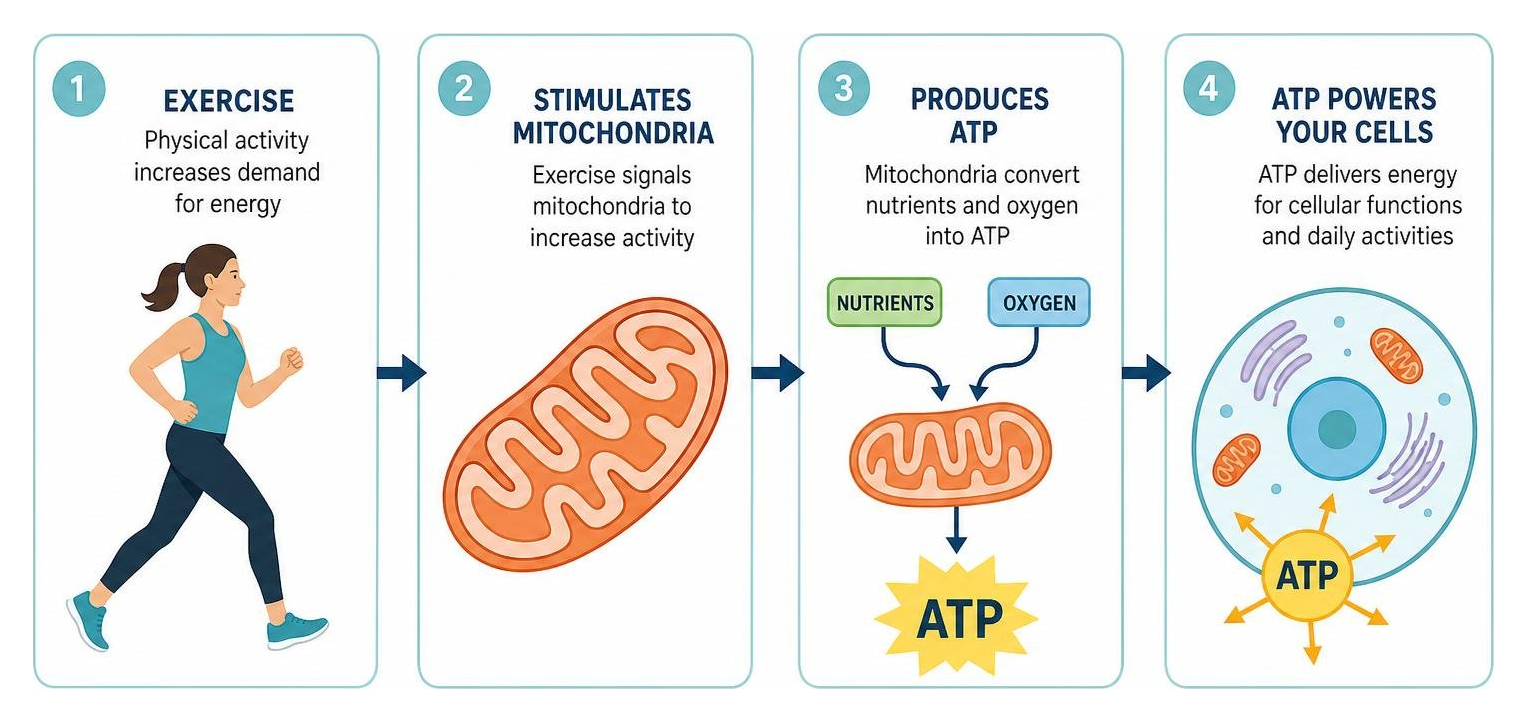
Movement works at a cellular level by supporting the health of mitochondria, which generate Adenosine Triphosphate (ATP)—the body’s main energy source. Exercise also improves the delivery of oxygen and nutrients to tissues, allowing your heart and lungs to function more efficiently. This efficiency leaves you with more energy for your daily routine. However, it is important to allow for rest days to prevent overtraining and persistent joint soreness.
4. Hydration and Identifying Hidden Energy Drains
Often, profound fatigue is caused by easily rectifiable issues such as mild dehydration or minor nutritional gaps.
The Impact of Dehydration on Cognitive Function
A fluid loss of just 2% can result in decreased motivation, impaired cognitive function, and increased fatigue. When dehydration occurs, blood volume drops, forcing the heart to work harder to deliver oxygen to the brain and muscles. Aiming for 8 to 10 glasses of water daily is a solid goal. If you find plain water unappealing, green tea is a great alternative that provides antioxidants and a mild, jitter-free focus.
Screening for Nutritional Deficiencies and Medication Effects
If fatigue persists despite improvements in diet and sleep, consider looking for underlying nutritional gaps. Deficiencies in Vitamin D or B12 are frequent contributors to low energy. Furthermore, many common medications, including certain antihistamines and blood pressure treatments, can list drowsiness as a side effect. Reviewing your health status and medications with a healthcare provider can help rule out these common culprits.
5. Recognizing When to Consult a Healthcare Professional
If lifestyle adjustments do not resolve your exhaustion, it is important to seek medical advice. Persistent fatigue can be a symptom of underlying conditions such as anemia, thyroid imbalances, sleep apnea, or clinical depression. Identifying these issues early can help you get the specific support your body requires.
Preparing for Your Medical Consultation
To make the most of a doctor’s visit, keep a log of when your fatigue is most severe and note any other symptoms like mood changes, headaches, or dizziness. This information helps your physician determine if blood work or a sleep study is necessary. Always discuss any new supplements or energy products with your doctor, especially if you are pregnant, nursing, or taking other medications.
Common Questions Regarding Fatigue Management
How can I tell the difference between standard tiredness and chronic fatigue?
Standard tiredness usually follows a day of high activity and is resolved by sleep. Chronic fatigue is a persistent, heavy exhaustion that does not improve with rest and lasts for an extended period. If your fatigue is accompanied by physical pain or ongoing cognitive fog, it is best to consult a professional.
Why does dehydration lead to mental sluggishness?
Low fluid levels cause blood to thicken slightly, making it more difficult for the heart to pump oxygenated blood to the brain. This results in slower reaction times and reduced ability to focus on complex tasks.
Can daily medications contribute to my lethargy?
Yes. Many over-the-counter allergy medications, blood pressure drugs, and antidepressants can cause drowsiness. Consulting with a pharmacist or doctor can help you determine if your medication is impacting your energy levels and if alternatives exist.
Summary of Energy-Boosting Strategies
Reclaiming your vitality is about making intentional, small changes rather than searching for a quick fix. By focusing on low-glycemic nutrition, prioritizing quality rest, incorporating gentle movement, and staying hydrated, you can naturally boost energy levels. Taking these steps is not just an act of self-care; it is a way to ensure you have the strength to enjoy and manage your family life. By addressing the root causes of exhaustion, you can move away from surviving the day and toward thriving within it.