















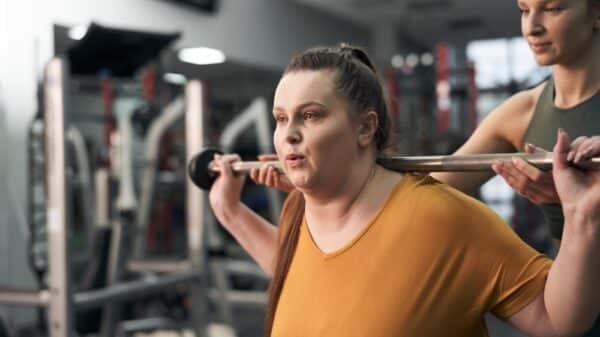





When we talk about the purpose of physical activity, it is easy to get caught up in external results like clothing size or aesthetics. However, the true objective of movement is much more profound: it is about cultivating mental resilience, physical strength, and the energy required to be fully present for your family. By shifting your perspective, exercise becomes less of a chore and more of a vital tool for navigating the demands of motherhood.
Regular activity offers a wide range of life-changing benefits, including:
- Reduced stress and sharper focus: Movement acts as a natural reset for a busy mind.
- Long-term cardiovascular health: Supporting your heart protects your future.
- Natural energy and metabolism: Movement builds the stamina needed for daily tasks.
- Skeletal integrity: Weight-bearing activity preserves bone density.
- Restorative sleep: Physical exertion leads to deeper, more consistent rest.
- Community and joy: Fitness can be a source of social connection and fun.
- Generational health: Modeling active habits helps your children build a foundation for wellness.
The global statistics highlight a significant health gap. Data from the World Health Organization indicates that approximately 1.8 billion adults—nearly one-third of the global population—are not meeting physical activity guidelines. This inactivity carries a heavy price, with sedentary individuals facing a 20% to 30% higher risk of premature death. Fortunately, you do not need to spend hours in the gym to see a difference. Even five-minute increments of movement provide tangible health rewards. Working toward 150 minutes of moderate activity per week—roughly 22 minutes a day—significantly lowers the risk of chronic conditions like heart disease and diabetes.
Finding Vitality Beyond the Scale for Modern Mothers
For a busy parent, the ultimate goal of fitness is reclaiming vitality. We live in an era where sedentary lifestyles are the default; roughly 31% of adults and 80% of teenagers fall short of recommended activity levels. This lack of movement is a widespread crisis that places immense strain on both individual health and public healthcare systems. As mothers, it is easy to fall into a state of “survival mode,” where personal health is sacrificed for the sake of the family schedule. However, prioritizing movement is an act of disease prevention, helping to regulate insulin and blood glucose levels while shielding against metabolic syndrome. When the focus shifts from weight loss to functional living, you create a sustainable habit that lasts a lifetime.
Managing Stress and Enhancing Mental Clarity
The mental load of motherhood often leads to a state of chronic tension or “brain fog.” One of the most immediate advantages of exercise is its impact on the brain. Physical activity triggers the release of endorphins and essential proteins that strengthen neural structures. A single session of moderate-to-vigorous movement can provide an immediate reduction in short-term anxiety. Over time, staying active preserves cognitive functions like learning and judgment. Research even suggests that regular exercise is a key factor in maintaining long-term brain health and potentially reducing the risk of dementia. On high-pressure days, a simple 10-minute walk can serve as a powerful mental reset button.
Building Cardiovascular Resilience and Longevity
Your heart is the engine that keeps your life running. Protecting it through exercise is essential. Movement helps elevate “good” HDL cholesterol while lowering harmful triglycerides, which prevents the buildup of plaque in the arteries. The impact of small changes is significant: if adults over 40 increased their daily activity by just 10 minutes, approximately 110,000 deaths could be prevented annually in the United States alone. Furthermore, combining aerobic activity with strength training can significantly reduce the risk of complications from infectious diseases. A stronger heart provides the physical endurance required to manage a business, a household, and the physical demands of raising children.
Boosting Daily Energy and Maintaining a Healthy Weight
It is a common paradox: you feel too exhausted to work out, yet working out is exactly what generates energy. Exercise enhances muscle strength and cardiovascular efficiency, ensuring that oxygen and nutrients are delivered more effectively to your tissues. While exercise alone typically results in modest short-term weight loss (between 2% and 6% without dietary adjustments), it is the gold standard for long-term weight maintenance. To sustain weight loss, experts often suggest aiming for a higher volume of activity, such as 300 minutes per week.
| Activity Category | Intensity | Common Examples |
|---|---|---|
| Aerobic | Moderate | Fast walking, water aerobics, social dancing |
| Aerobic | Vigorous | Running, lap swimming, high-intensity cardio |
| Strength | Moderate to High | Weightlifting, resistance bands, active gardening |
Supporting Bone Density and Functional Strength
Women face specific risks regarding bone health as they age. One major goal of exercise is to build a “bone bank” to prevent osteoporosis. Weight-bearing movements like hiking, dancing, or jogging force the body to work against gravity, which stimulates bone growth. Strength training is equally vital; it isn’t about bulk, but rather about supporting your joints and preventing future injury. Aiming for two sessions of strength training per week, targeting all major muscle groups, is sufficient to maintain independence and mobility as you grow older.
Improving Sleep Quality and Personal Confidence
If you find it difficult to rest, physical activity may be the solution. Exercise helps regulate your internal clock, allowing you to fall asleep faster and reach deeper stages of rest. Beyond sleep, fitness can positively impact your personal life and intimacy. For women, regular movement can enhance physical arousal and boost body confidence, while the increased energy levels make it easier to connect with your partner. When you feel capable and strong, that empowerment radiates into all aspects of your personal relationships.
Finding Community and Joy in Movement
Physical activity should not feel like a solitary chore. Integrating a social element—such as joining a walking group, a local yoga class, or a community sports team—makes fitness something to look forward to. You can even combine movement with community service, such as participating in a charity run or volunteering to walk shelter animals. When exercise is paired with social interaction and a sense of purpose, you are far more likely to remain consistent and enjoy the process.
Inspiring the Next Generation Through Action
Children learn by observing their parents. With the majority of adolescents currently under-active, modeling a healthy relationship with fitness is one of the most important gifts you can give. When children see their parents enjoying movement, they view activity as a natural part of life rather than a burden. Family fitness—whether it’s a bike ride, a game of backyard tag, or time on a trampoline—builds their physical strength while creating meaningful memories and lasting habits.
How to Safely Begin Your Fitness Journey
If you have been inactive for some time, the most important step is simply starting. Any amount of activity is better than none. Walking is an ideal starting point because it is low-impact and requires no special equipment. You can accumulate your daily movement in small 10-minute bursts, such as taking the stairs or parking further away from your destination. Focus on establishing the habit of movement first, and gradually increase the duration and intensity as your fitness improves.
Creating Sustainable and Realistic Goals
To maintain consistency, use the SMART framework: ensure your goals are Specific, Measurable, Achievable, Relevant, and Time-bound. Instead of a vague goal to “get healthy,” commit to a 20-minute walk three days a week. Tracking your progress through a log or an app can provide the motivation needed to stay on course during busy weeks.
Adapting Your Activity During Pregnancy
During pregnancy, the goal of exercise shifts toward supporting your body through physical changes and preparing for labor. Most women can safely maintain an active lifestyle, but it is essential to listen to your body and consult with your healthcare provider. Low-impact options like prenatal yoga, swimming, and walking are excellent for reducing common discomforts like backaches and swelling while maintaining your mood and energy.
Common Questions About Starting a Fitness Routine
What is the recommended weekly amount of exercise?
Most adults should aim for at least 150 minutes of moderate-intensity aerobic activity per week, along with two days of muscle-strengthening exercises. Alternatively, 75 minutes of vigorous activity can provide similar health benefits.
Are short bursts of activity effective?
Yes. Research indicates that even 10 minutes of moderate-to-vigorous activity can have a life-saving impact and contribute significantly to your cumulative health goals. Every active minute counts.
What is the best way for a beginner to start?
Brisk walking is the most accessible entry point for most people. It is gentle on the joints and easy to fit into a busy schedule. As you become more comfortable, you can integrate basic strength moves like lunges or push-ups to further enhance your fitness.
Final Thoughts on Prioritizing Your Well-Being
In the busy landscape of motherhood, your time is a valuable resource. Prioritizing your health through regular exercise is not a luxury or a selfish act; it is a foundational form of self-care that allows you to care for others more effectively. The true goal of exercise is not perfection, but consistent progress. Whether it is a quick walk to clear your mind or a family activity that builds healthy habits for your children, every step forward counts. Start where you are, be patient with your progress, and embrace movement as a lifelong journey toward thriving.