
















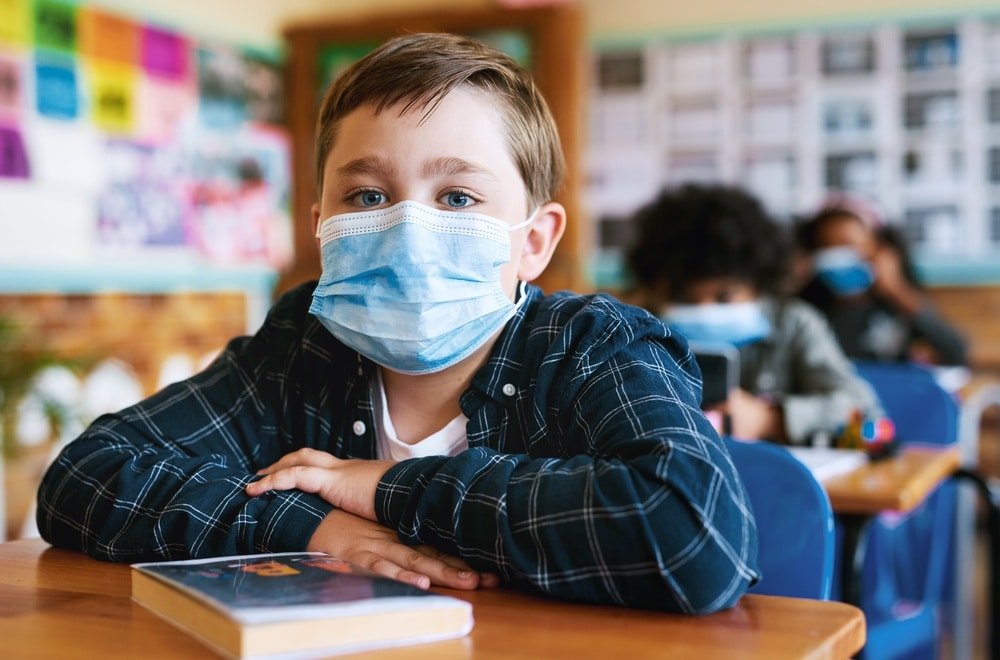
Every autumn, a familiar cycle begins. Children head back to the classroom, and within weeks, a persistent cough seems to make its way through the entire household. This “cough relay” is more than just a parental hunch; research indicates that approximately 30% to 40% of flu transmission occurs within the home, with children frequently acting as the primary carriers. While it is impossible to completely shield a child from every virus—in fact, experts like Dr. Jen Caudle note that up to six colds a year is considered normal—parents can take specific steps to make their homes less hospitable to seasonal germs.
Identifying Key Entry Points for School Germs
Most pathogens enter your living space at the same time your family does: through the front door. These transition periods are critical because the entryway often bears the brunt of external contaminants. Research from the University of Arizona has shown that the soles of shoes can carry over 400,000 bacteria, including coliform, which are quickly deposited onto clean floors during those first few steps inside.
The most effective solution is also the simplest: implement a strict “no-shoes” policy. By leaving footwear at the door, you create a physical barrier that prevents outdoor bacteria from reaching the areas where children play and eat. While infectious disease experts note that there is little evidence of shoe-sole germs directly causing illness, this practice serves as a low-cost, low-stress insurance policy for maintaining a cleaner environment.
Why the Kitchen Requires More Attention Than the Bathroom
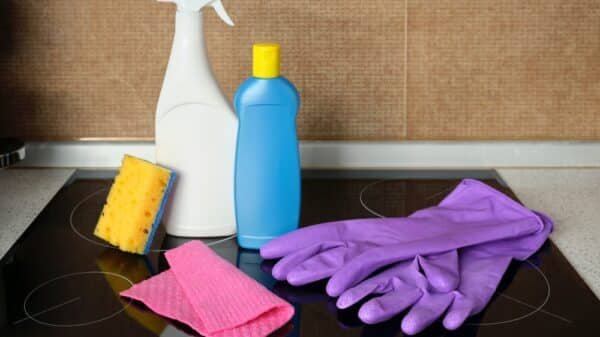
While many parents focus their sanitizing efforts on the bathroom, data from the National Sanitation Foundation suggests the kitchen is actually the most germ-laden room in the house. Studies have found coliform bacteria on more than 75% of kitchen sponges, compared to only about 9% of bathroom faucet handles. In many homes, the humble dish sponge is the single most contaminated item.
To combat this, focus your cleaning routine on surfaces where children frequently interact. This includes kitchen tables and counters, as well as high-touch “hotspots” like light switches and doorknobs. It is also vital to sanitize items that travel between school and home, such as lunchboxes, water bottles, and backpacks. These objects, along with well-loved toys, often escape regular cleaning but can easily be refreshed with a quick disinfecting wipe.
Developing Sustainable Handwashing Habits for Kids
Handwashing is the most effective defense against the spread of illness, yet getting children to comply can be a challenge. Instead of lecturing about time, give them a clear visual goal: instruct them to wash until every soap bubble has completely disappeared. Alternatively, have them count to twenty to ensure they are scrubbing long enough.
The key to success is making the habit automatic. Establish a “homecoming routine” where the backpack is put away and hands are washed immediately before any snacks are served. While hand sanitizer is a convenient option for the car or the school pick-up line, traditional soap and water remain the gold standard for removing visible dirt and heavy germ loads once you are home.
Maintaining a Healthy Perspective on Household Illness
It is important for parents to remember that childhood illness is not a sign of failure. In an environment of shared classrooms and close contact, some level of exposure is inevitable. By managing the entryway, prioritizing kitchen hygiene, and turning handwashing into a routine, you are significantly reducing the viral load in your home. Some germs will still find their way in, but with a solid plan in place, your family will be better prepared to recover and get back to their busy schedules.