













From pesticides to paint fumes, the importance of steering clear of hidden toxins during pregnancy is well-documented. But according to a new study, it’s not only expecting parents that need to be aware of toxins posing a silent risk to their family’s health.
New research published in Liver International has linked severe liver damage to contact with tetrachloroethylene (PCE), a chemical widely used in dry-cleaning products, as well as common household cleaning items. What’s more, this toxin could be quietly contaminating our surroundings as well, from the air we breathe to the water we drink.
But there are ways for families to protect themselves. Experts break it down.
What the New Study Shows
Scientists examined blood samples from study participants, of which about 7% had detectable levels of PCE. Compared to their counterparts, this group was three times more likely to have significant liver fibrosis, a condition that can progress to both liver cancer and liver failure.
“The findings suggest that exposure to PCE may be the reason why one person develops liver disease while someone with the exact same health and demographic profile does not,” said lead author of the study Brian P. Lee, MD, a hepatologist and liver transplant specialist.
Here’s a closer look at the findings:
The greater the PCE exposure, the higher the risk. Specifically, a person’s likelihood of developing liver fibrosis increases with increased exposure to PCE.Higher-income individuals were more likely to have detectable PCE in their blood. This is possibly due to greater use of dry-cleaning services. Workers in dry-cleaning facilities may face the highest risk. Long-term, direct contact with the chemical escalates PCE in the blood.
Overall, the study provides stronger evidence linking PCE exposure directly to serious adverse effects, according to Gerome Burke, Jr., MD, PhD, a medical toxicologist with over 20 years of clinical and research experience.
“Severe liver damage or progression to fibrosis can lead to poor health outcomes, even death,” he says. “This suggests that the harmful effects of PCEs may be broader than previously confirmed.”
Concerns About PCE Exposure for Families
PCE is a manufactured chemical that’s been around since the 1940s, according to Dr. Burke.
“Its most famous use was as the primary chemical in dry cleaning,” Dr. Burke says. “It is very effective at removing grease and stains from fabrics without shrinking the fabric of the clothing.”
More recently, PCE has become a common ingredient in many consumer products, including spot removers and stainless steel polishes, Dr. Burke notes. Despite its continued use, however, experts have known for decades that high-level exposure to PCE comes with health risks.
“PCE can cause neurological effects, including dizziness and headaches,” Dr. Burke says. “PCEs are also classified as a likely human carcinogen.”
For example, previous research shows early PCE exposure is linked to a higher risk of developing certain cancers later in life.
Additionally, PCE could also be hiding in the air your family breathes and water you drink, according to Don Thushara Galbadage, PhD, a public health specialist and an associate professor of applied health sciences at Texas Christian University (TCU).
“From a public health standpoint, PCE matters because it is a volatile chemical that can persist in indoor air, readily enter groundwater, and build up in porous materials over time,” Dr. Galbadage says. “Chemicals that linger in indoor air or groundwater pose cumulative health risks, and families living near dry-cleaning facilities may be exposed more than they realize.”
Why Kids Are Most at Risk
Because their bodies are still developing, kids are more vulnerable to damage from toxins compared to adults, Dr. Burke explains. But the risks of PCE exposure is greatest for young children in particular for a few key reasons.
“Children have a higher metabolic rate and breathe in more air relative to their body size, which can lead to higher concentration exposure of the chemical,” says Dr. Burke. “Young children also often spend more time where chemical vapors from carpets or cleaning products can settle, and have a hand-to-mouth behavior that can lead to ingesting residues containing PCE.”
Where PCE Could Be Hiding in Your Home
The good news is that PCE use in consumer products has declined in recent years, according to Dr. Burke. However, it can still be found in many everyday household products, including:
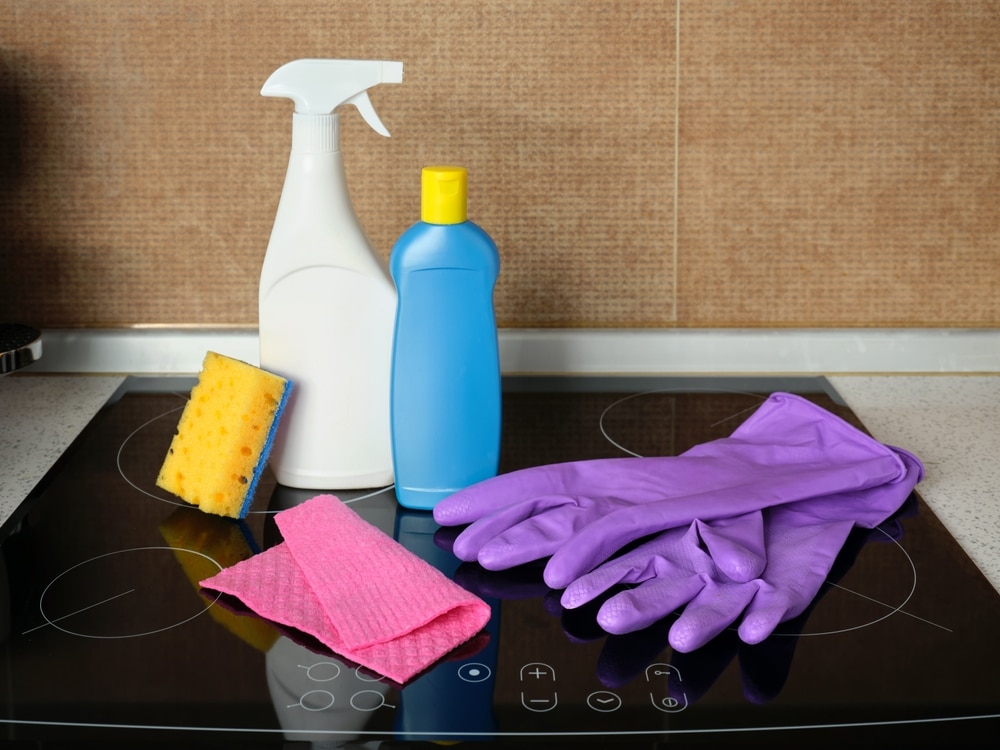
Cleaning supplies: Stainless steel polishes and some metal cleanersFabric and upholstery products: Waterproofing sprays and heavy-duty spot and stain removers for furniture and upholsteryAdhesives: Contact glues and craft solvents
And don’t forget about your closet. Dry-cleaned clothing, especially garments that haven’t been fully aired out, also pose a risk if they were chemically treated with PCE, Dr. Galbadage notes.
How To Keep Your Family Safe
Families can meaningfully reduce PCE-related health risks by taking a few practical steps, according to experts.
“These small actions significantly reduce the chronic, low-level PCE exposures that are most closely associated with liver and neurological risks,” Dr. Galbadage says.
Check product labels before you buy
“When buying household products, always read labels and avoid those that list tetrachloroethylene or perchloroethylene,” Dr. Burke says. “Use water-based or ‘green’ alternatives for cleaning and hobbies whenever possible.”
Improve home ventilation when using PCE products
Dr. Galbadage recommends opening windows when using household cleaners or adhesives that contain PCE. He also suggests using exhaust fans in laundry areas, garages, or workshops.
Choose safer dry-cleaning options
When using dry-cleaning services, look for cleaners who use “wet cleaning” or liquid carbon dioxide methods which are safer and PCE-free, according to Dr. Burke. Additionally, always remove the plastic wrap from dry-cleaned items and air them out in a well-ventilated space before bringing them into your home.
Dr. Galbadage also advises limiting time spent in or directly adjacent to facilities still using PCE. “In multi-unit buildings, ask property management about ventilation and chemical controls,” adds Dr. Galbadage.
Store products that could pose a risk away from kids
“Keep recently dry-cleaned fabrics, including coats and blankets, out of nurseries until fully aired out,” Dr. Galbadage says. “Store solvent-based products out of living spaces and away from children’s breathing zones.”